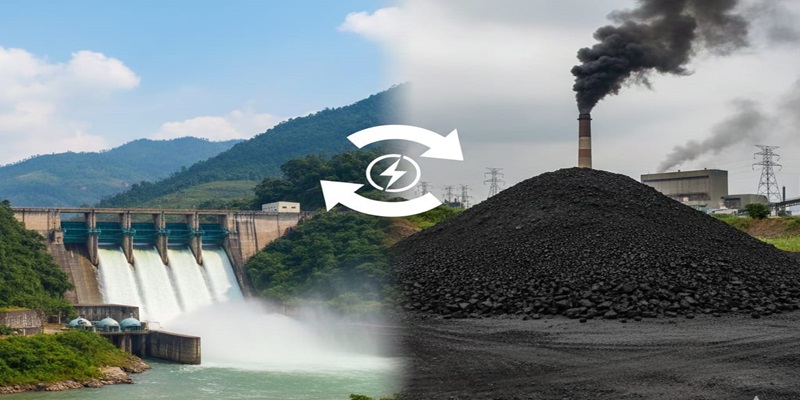
- Hydropower generation surges by 24% y-o-y in Oct’25
- Rising renewables output boosts Vietnam’s energy security
Vietnam’s power grid, once strained by rapid economic growth, is breathing easier. A significant resurgence in hydropower output is providing a crucial reprieve, actively reducing the nation’s dependence on coal-fired generation and signalling a promising shift in its energy trajectory.
After a period of severe drought that hindered operations at hydroelectric dams, abundant rainfall has returned. The impact has been immediate and substantial. Data from October shows hydroelectric generation surging by 24% compared to the same period last year, soaring 35% above the seasonal average. This deluge of renewable, domestic energy has directly displaced more expensive and polluting power sources.
The effect on coal has been pronounced. While coal-fired generation saw a slight uptick from September to meet growing demand, its output remains 13% lower than the previous year. This decline is a direct consequence of hydropower reclaiming its position as the backbone of Vietnam’s electricity mix, pushing coal plants down the merit order.
This hydropower boom is part of a critical rebalancing act. For years, Vietnam pursued a breakneck expansion of coal capacity to avert power shortages that threatened its status as a rising economy. However, this strategy came with significant environmental and economic costs, including reliance on imported fuel.
Now, the nation is witnessing the dividends of its investments in a diversified energy portfolio. While hydropower leads the current recovery, the growth of solar and wind power has also begun to reshape the energy landscape. Together, these renewable sources are providing a buffer against the volatility of fossil fuels.
For now, the data suggests that Vietnam’s relentless rise in coal demand has been checked. This offers a glimpse of a more sustainable and secure energy future for Southeast Asia’s most dynamic economy. The challenge will be to maintain this momentum, ensuring that grid infrastructure and energy storage can support this clean energy transition in the long term, turning a seasonal reprieve into a permanent reality.
Leave a Reply