- Severe skills shortage stalling Japan’s nuclear restart efforts
- Prolonged delays deepening reliance on costly fossil fuel imports
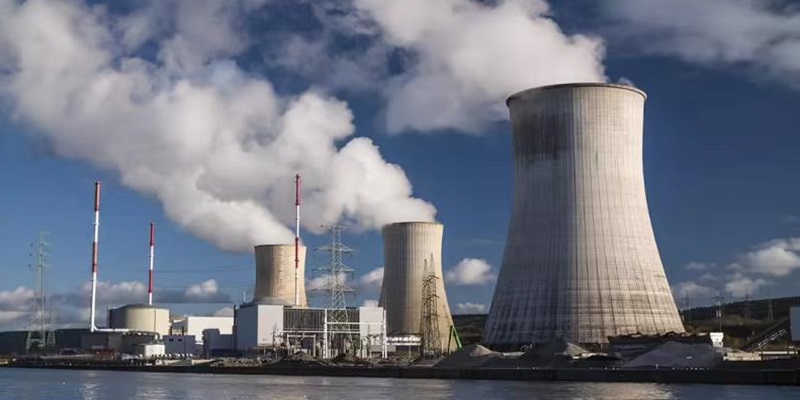
Japan’s tentative plan to restart the massive Kashiwazaki-Kariwa nuclear plant highlights a national crisis: the country needs clean, domestic power but remains trapped by the legacy of the 2011 Fukushima disaster.
While a recent local governor’s approval marks a symbolic step, the reality is a web of delays and systemic decay. The owner, Tokyo Electric Power Company (TEPCO), has pushed restart timelines to 2029 and 2031, citing exhaustive anti-terrorism upgrades and a critical labour shortage.
This delay underscores a deeper problem — the erosion of Japan’s nuclear expertise. A government white paper warns of a severe skills gap, with most nuclear companies expecting serious difficulty in passing on knowledge within a decade. The sector’s “lost generation” has left it without the specialised engineers needed to safely oversee a revival, breaking the crucial chain of mentorship and experience.
The consequences of this paralysis are severe. With its nuclear fleet idle, Japan is forced to rely on expensive imported liquefied natural gas (LNG) and coal. This dependence cripples the economy, especially with a weak yen, driving up electricity costs for households and industries and undermining energy security.
This reality makes a mockery of the government’s official targets. The goal for nuclear to provide 20-22% of power by 2030 now appears unattainable. Each delay signals that Japan’s path to decarbonisation and energy self-sufficiency will be far more costly and complex than planned.
The stalemate at Kashiwazaki-Kariwa is representative of Japan’s clean energy dilemma. The plant represents a source of carbon-free power crucial for energy independence, yet it also stands as a monument to past trauma and a loss of vital skills. The restart is more than a technical procedure; it is a test of Japan’s ability to reconcile its future needs with the ghosts of its past.
Leave a Reply