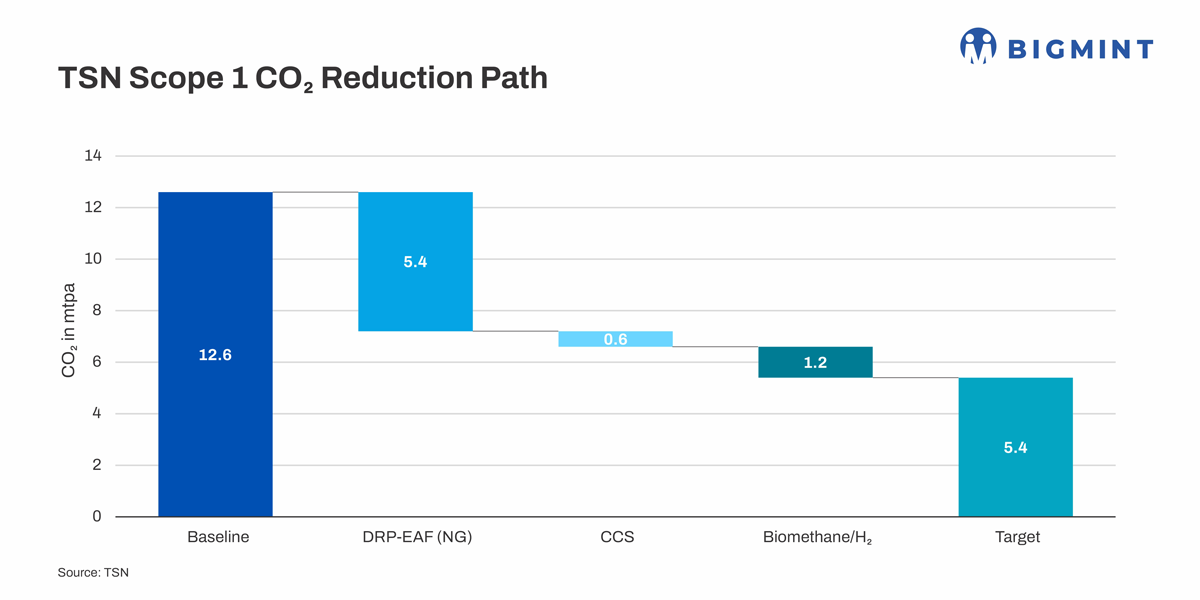
- Around 40% of emissions reduction targeted in first phase
- DR-EAF installation to replace BF 7 and coke and gas plant 6
Tata Steel Nederland (TSN) and the Dutch government have agreed to extend negotiations on the company’s ambitious Green Steel transition project. The joint letter of intent (JLoI), agreed jointly by the Dutch Ministries of Economic Affairs and Climate and Infrastructure and Water Management, the Province of North Holland, TSN and parent company Tata Steel Limited, pushes the deadline for a final agreement to 1 March 2027.
The additional five months are intended to allow all stakeholders to resolve a number of critical issues that have emerged as the project moves closer to an investment decision.
The Green Steel project aims to transform Tata Steel’s IJmuiden operations into a cleaner and more sustainable steel production hub while simultaneously improving environmental conditions for surrounding communities. The plan is also viewed as strategically important for preserving domestic steelmaking capacity and industrial employment in the country.
Key challenges
However, several challenges remain unresolved.
One of the key issues relates to TSN’s plans to phase out its coke and gas plants. The company is currently examining options for a safe and controlled closure of these facilities and is working closely with provincial authorities and environmental regulators to determine the most practical pathway forward.
Another major area of focus is the management of steel slag. Recent changes and increasing complexity in Dutch regulations governing the production, storage and transportation of steel slag have created uncertainty for the industry. Since steel slag is an unavoidable part of the steelmaking process, stakeholders are seeking a long-term regulatory framework that provides both environmental safeguards and operational clarity.
The project’s financial viability is also under review as market and policy conditions continue to evolve. Particular attention is being paid to recent changes in European climate policy, including revisions to the timeline for the phase-out of free carbon allowances under the European Union’s emissions trading framework.
Green steel plan
Under the ‘Green Steel Plan’ Tata Steel is building two facilities: a factory where iron will be made using natural gas or hydrogen (DRP), and an electric furnace that melts this iron into steel (EAF). This process results in significantly lower CO2 emissions than the current process using coal.
The transition will take place step by step: in the first step, Blast Furnace 7 and Coke and Gas Plant 2 will be replaced. Tata Steel aims to have the new facilities operational by 2030, depending on when construction can begin. With the Green Steel Plan, the company aims to reduce emissions by 5.4 million tonnes (mnt) of CO2 per year. This represents a reduction of more than 40% compared with the baseline set at 2018.
Tata Steel had initially suggested that it would consider an alternative to shutting down Blast Furnace 7. This involved shutting down Blast Furnace 6. The company argued that the production capacity of Blast Furnace 6 was lower than that of Blast Furnace 7, and therefore the amount of avoided CO2 emissions from the project would be smaller. Furthermore, Blast Furnace 6 was completely renovated, and additional environmental measures have been implemented for this facility.
At the same time, the transition to green steel would stimulate the development of energy and hydrogen infrastructure in the North Sea Canal area, which also benefits other companies.
After the first phase, emissions can be further reduced by gradually operating the new installations with more sustainable energy carriers, such as biomethane and potentially hydrogen. TSN is also exploring whether part of the remaining CO2 emissions can be captured and stored. Additional measures are being developed, including further electrification, energy efficiency, and reducing emissions from other production processes.
Leave a Reply