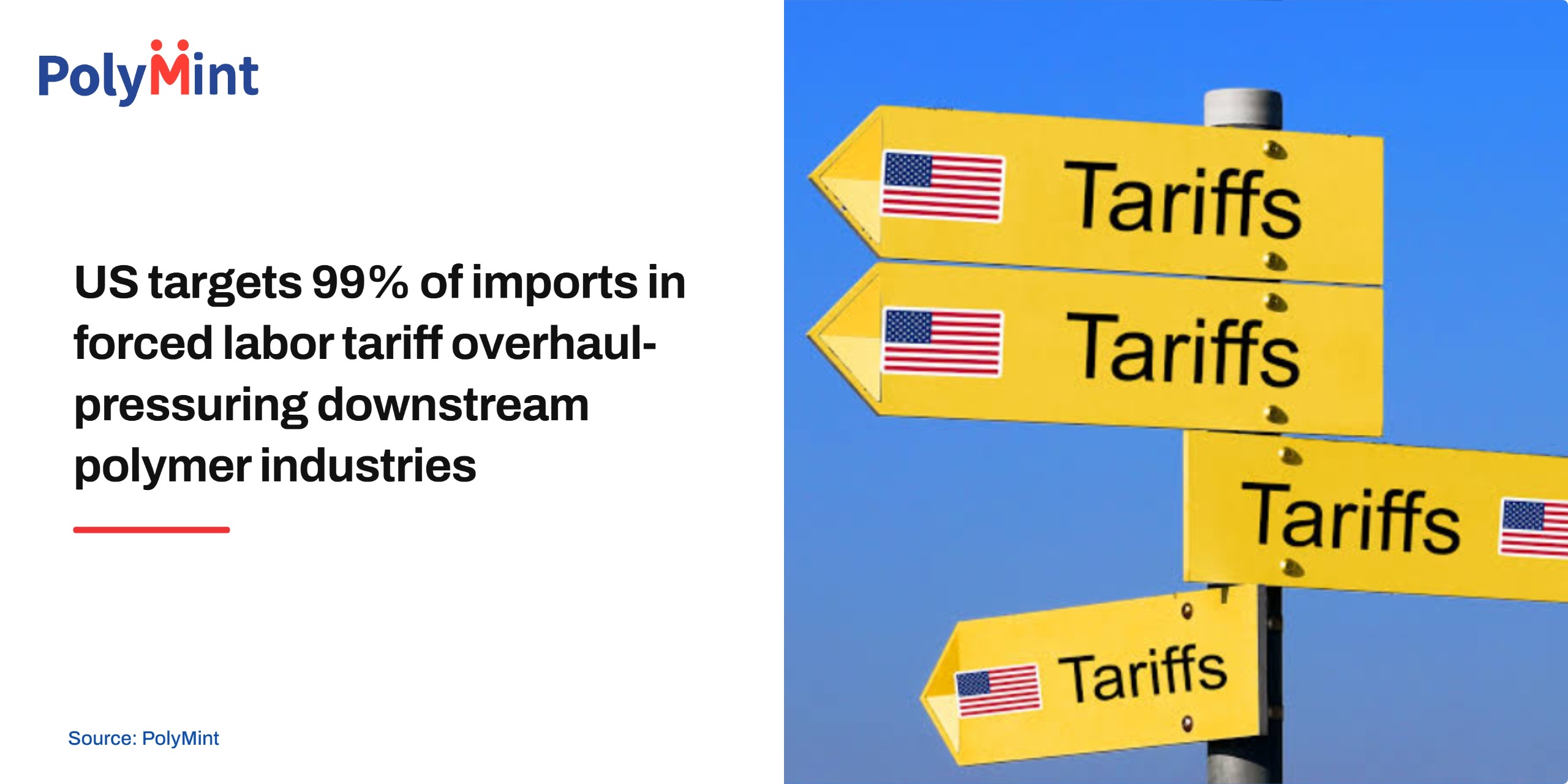
- New tariff regime links market access to forced labor enforcement
- Compliance becomes a competitive trade advantage across global supply chain.
The United States has introduced a new tariff framework targeting countries that have not adopted or effectively enforced prohibitions on imports produced with forced labor, marking a significant expansion of its trade policy beyond conventional tariff measures. Under the latest action, 60 major trading partners accounting for approximately 99% of US imports will face additional tariffs of either 10% or 12.5%, depending on their compliance with forced labor import restrictions.
The policy represents a structural shift in US trade strategy by making labor standards an explicit determinant of market access. Countries that have committed to implementing and enforcing forced labor import bans will face a 10% tariff, while those without such commitments will be subject to a 12.5% tariff. Although several products have been exempted including Section 232-covered goods, selected raw materials, and products deemed strategically important, the measure significantly raises compliance expectations across global manufacturing supply chains.
Compliance emerges as a competitive differentiator
Beyond the immediate tariff implications, the measure is expected to accelerate supply chain due diligence among exporters serving the US market. Manufacturers and traders will increasingly be required to demonstrate traceability, strengthen supplier audits, and improve documentation to minimise regulatory risks.
The move also reinforces the growing convergence of trade policy and environmental, social and governance (ESG) compliance. Companies with transparent sourcing practices are likely to gain a competitive advantage, while exporters relying on opaque procurement networks could face higher compliance costs, longer customs clearance times, and increased commercial risks.
Implications for polymer value chains
The direct impact on global polymer trade is expected to remain limited, as the policy is not targeted specifically at polymer feedstocks or petrochemicals. However, downstream polymer-intensive manufacturing sectors, including packaging, automotive components, consumer goods, electrical products, and textiles could experience indirect effects where supply chains involve countries subject to higher tariffs.
Producers supplying polymer-based finished products to the US may increasingly diversify sourcing, strengthen supplier verification, and reassess procurement strategies to ensure compliance with evolving trade requirements. This could gradually encourage greater regionalisation of manufacturing and increased demand for certified raw materials across selected polymer value chains.
For polymer producers themselves, the measure is unlikely to materially alter feedstock fundamentals in the near term. Instead, the greater impact is expected to arise through changing customer procurement policies, stricter compliance requirements, and evolving sourcing preferences among downstream manufacturers serving the US market.
Market implications
The latest action signals that trade compliance is becoming an increasingly important component of international competitiveness alongside pricing and product quality. As more economies introduce or strengthen forced labor regulations, exporters across multiple manufacturing sectors may face rising compliance obligations regardless of whether their products are directly targeted by tariffs.
For the polymer industry, the policy should be viewed primarily as a supply chain governance development rather than a pricing catalyst. Companies with diversified sourcing networks, robust traceability systems, and well-documented supplier compliance are likely to be better positioned as buyers increasingly prioritise regulatory assurance alongside commercial considerations.
Leave a Reply