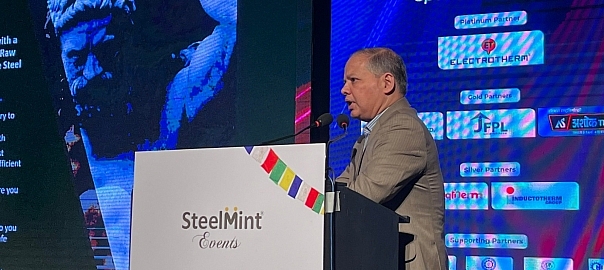
The global scrap market is expected to witness significant changes in the short- to medium-term, Abhijeet Mahanta, Director of Atlas Commodities, UK, said at the ongoing 2nd Nepal Trade Summit in Kathmandu organised by SteelMint. Below are highlights from his address at the Summit:
- Strong Turkish demand: The Turkish market has remained strong and there is an immediate need for 4 million tonnes (mnt) of rebar in the next 3-4 months to kick-start rebuilding efforts. Domestic rebar prices are high and scrap buying prices have moved up by $10/t in the last 10 days. The elections slated to be held in June this year could also impact market sentiments. In Turkey, energy costs are expected to decrease this year, with gas prices being reduced by about 25% in March. This could trigger scrap buying activities and sustain prices.
- Uptrend in US domestic market: The US domestic scrap market is also showing an upward momentum in March and prices are expected to rise by $30-40/t across grades.
- Supplies tight in EU: Logistical bottlenecks persist in the EU, with water levels in major rivers still low which is hampering feed movement to yards. However, the Eurozone manufacturing index in February is expected to be the highest in 10 months and scrap demand will increase.
- Bangladesh returns to market: Demand from Bangladesh is coming back, with several bulk bookings in the last month. The LC situation is easing off and it is expected to get better in April. Dhaka-based medium-sized mills have also started imports of containerised scrap.
- Demand from India expected to sustain: In India, scrap demand is expected to sustain as the government focuses on energy-efficient, low carbon-emitting electric steelmaking. Annual scrap imports are expected to exceed 10 mnt in the next few years.

Leave a Reply