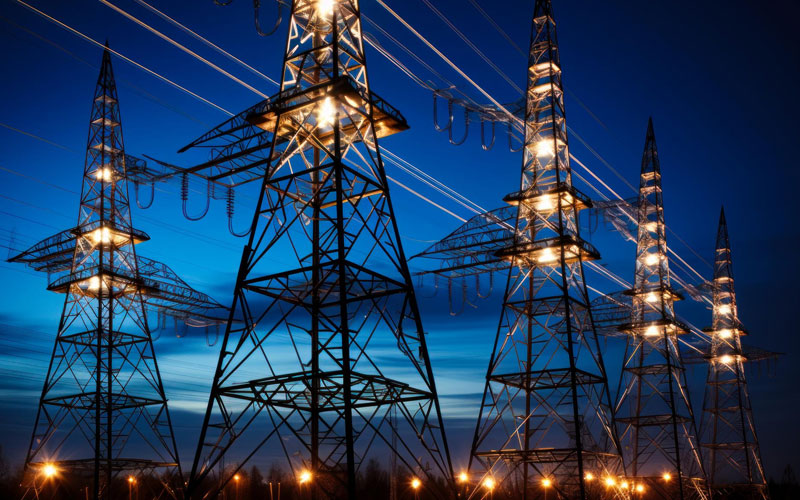
- India is prioritising grid flexibility to manage rising renewable power
- Low storage bids, soaring urban demand risk destabilising RE integration
India’s power sector is undergoing a quiet revolution. The initial, headline-grabbing phase of simply installing massive renewable capacity is giving way to a more complex and critical challenge: building a grid smart and flexible enough to use it. The focus is shifting from the quantity of megawatts to the quality and reliability of supply.
This new phase is being driven by two powerful forces: the inherent intermittency of solar and wind power, and record-breaking electricity demand in India’s cities, which is testing the limits of grid management.
Storage promise and its peril
The frontline solution for renewable integration is utility-scale battery storage. States like Rajasthan are leading the charge, recently awarding a tender for a massive 6,000 MWh Battery Energy Storage System (BESS) – one of the largest in the country. The goal is explicit: to smooth solar power fluctuations, reduce reliance on thermal plants for balancing, and make green energy “dispatchable.”
However, this promising solution faces a major threat. Industry experts are raising alarms over a “race to the bottom” in storage auctions, where bids have plunged to an unsustainable INR 1.5 per kilowatt-hour. The India Energy Storage Alliance warns that such aggressive pricing encourages low-quality equipment, attracts unqualified bidders from unrelated sectors, and risks creating financial failures and safety hazards. This price war threatens to undermine the viability of the very technology the grid desperately needs.
Urban demand reaching new peaks
The urgency for grid flexibility is palpable in the nation’s capital. Delhi is experiencing a winter power demand surge like never before, with a new November record of 4,486 MW and a winter peak projected to hit 6,000 MW. This isn’t just about more air conditioners; it reflects deeper urbanization, economic activity, and even the specific power needs of a colder winter.
In response, distribution companies (discoms) are deploying sophisticated strategies that go beyond simply buying more power. BSES discoms report that over 50% of their winter supply will come from green sources, utilising a strategy of “banking” surplus renewable power with partner states during low-demand periods and recalling it during peaks. Tata Power-DDL is using AI-based demand forecasting to optimise its power purchase and grid management. This represents a new maturity in India’s power distribution, moving from crisis management to predictive balancing.
Crowded field for flexible power
The competition to provide this crucial flexible, on-demand power is intense. Even imported liquefied natural gas (LNG), once seen as a “bridge fuel,” is struggling to secure a major role. Analysts note that LNG must fight for market share against cheaper domestic coal, ever-cheaper solar power, emerging battery storage, and pipeline gas. In India’s price-sensitive market, it is destined to be just one part of a diversified energy basket, not a dominant player.
Path forward
The evolving narrative is clear. India’s energy transition has entered its most difficult chapter. Success is no longer measured by gigawatts installed but by the grid’s ability to deliver 24/7 reliable power from a diverse mix of sources. The solutions smarter storage policies, AI-driven demand management, and flexible generation are less glamorous than vast solar parks but are now the true determinants of a successful transition.
Leave a Reply