- ISPs will not need separate certification after BIS verification
- Consignments with bill of lading on or before 15 Jul’25 exempted
India’s Ministry of Steel, as per an order dated 11 July 2025, has exempted imported steel products of an intermediate nature used in the manufacturing of finished steel with a bill of lading of 15 July or earlier from the mandatory BIS compliance for input material.
The notification reiterates that Integrated Steel Plants (ISPs), which make intermediate products and finished products themselves and to whom BIS licences are issued to taking into account the whole manufacturing process, will not need to have different licences for all stages “as the BIS certification process takes care of the whole manufacturing chain.”
“The mandatory adherence requirement of input steel for the final products supplied by Integrated Steel Plants (ISPs) shall be exempted after verification of such licences by BIS,” the order states.
Meanwhile, the ISPs have been instructed to email the ministry, with a list of operative BIS licences and relevant documents, declaring that they are Integrated Steel Plants.
The Steel Import Monitoring System (SIMS) will be updated with appropriate provisions for such ISPs, and the ministry has warned that any misdeclaration could lead to debarment in the SIMS.
Stakeholder consultation
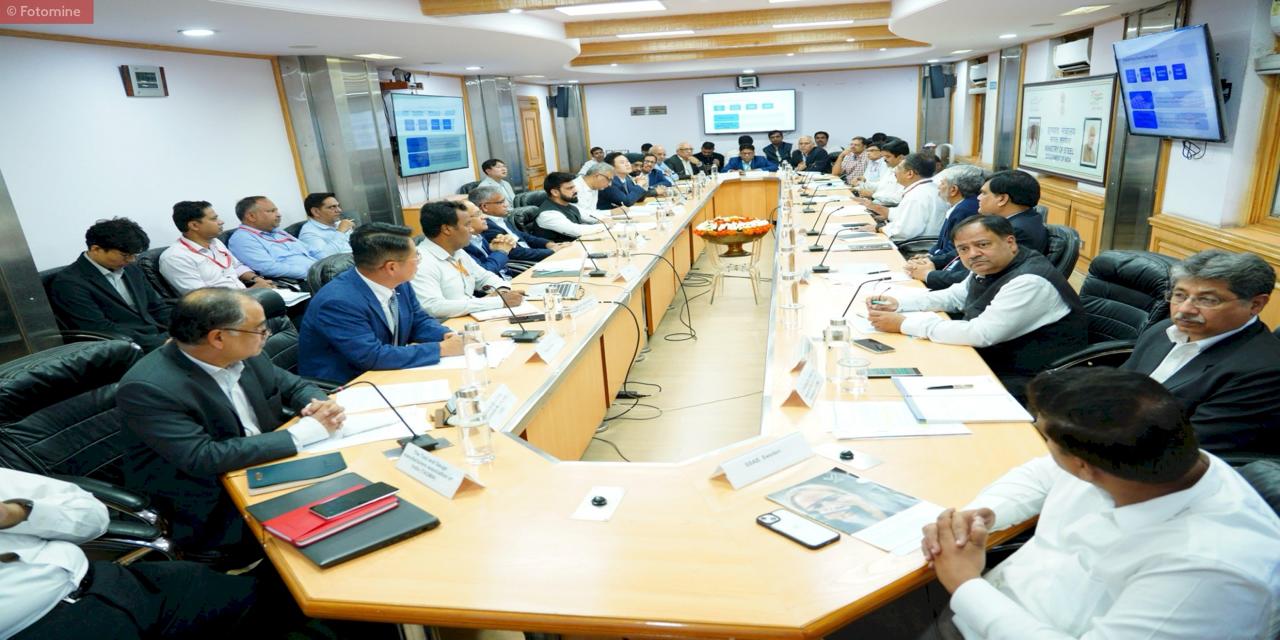
This new notification follows a stakeholder consultation on 7 July, held between the steel ministry and members of the automobile industry, manufacturing sector and the steel community, which focused on allaying concerns regarding steel supply and standards, among others. The meeting was chaired by the Union Minister of Steel and Heavy Industries, H. D. Kumaraswamy.
Among the major points of discussion was the timeline regarding the implementation of the Quality Control Order (QCO) related to BIS certification for imported intermediate steel products.
The ministry acknowledged that concerns have emerged among MSMEs regarding the consignments that have arrived at ports or are on the way. As such, it stated a grace period was being considered to ensure that there were no disruptions in clearing such consignments and that manufacturing activity was not impacted.
Meanwhile, it was established that the order would not be applicable for overseas re-rolling steel mills that use input material from BIS-approved ISPs located abroad.
The ministry also assured attendees that the entire process for acquiring BIS licences will take three-four months. BIS officials will visit the plant within two months of them filing the proper applications and documents. Following this, the licence will be issued within the next two months.
Concerns remain?
The latest clarification effectively provides MSMEs with a breather regarding import cargoes booked before the issuance of the notification. However, a leading industry member suggested that a longer exemption period, till 15 October, had been requested.
Additionally, there seems to be some uncertainty regarding the ministry’s intent to accelerate the BIS certification, which may be hindered due to labour shortages. There are expectations that timelines may get extended in case delays in certifications occur and some mechanism could be developed for mills that have already applied for a licence.
Steel imports are also expected to slow down, barring the supply of certain specific grades, which are not produced in India or are not available at affordable rates. The automobile industry, among other steel-consuming sectors, is expected to be significantly affected as auto OEMs happen to be the leading importers.
According to the source, “As this is a significant reform, it will take time for the industry to stabilise and adhere to the mandated norms, which may take one to one-and-a-half years. However, overall, this was a necessary move, which had to be implemented sooner or later.”
Leave a Reply