- Green financing ecosystem may boost early adoption
- Development of infra clusters recommended for fuelling
The Federation of Indian Mineral Industries (FIMI) has urged the mining industry to accelerate the adoption of cleaner vehicles, in alignment with India’s commitment to achieve net-zero emissions by 2070.
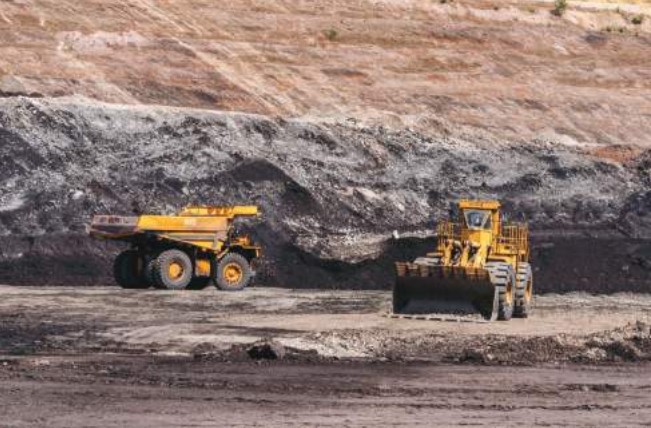
In a study conducted in collaboration with Deloitte, the federation has identified that the decarbonisation of heavy earth-moving machinery (HEMM), which is crucial to mining operations, will help significantly reduce the sector’s carbon footprint.
The report was released by Sampad Chandra Swain, Minister of Industries and Skill Development, Technical Education, Government of Odisha.
Stakeholder insights
EVs best suited in today’s context: Following discussions with manufacturers, hybrid electric vehicles (HEVs) emerged as the most deployment-ready route. However, limited cost and infrastructure support may hinder the widespread adoption of battery electric vehicles (BEVs) and fuel cell electric vehicles (FCEVs). While biofuels and hydrogen internal combustion engines (ICEs) are also suitable options, the development of these is still at its early stages.
Limited domestic availability, infra support key pain points: For mining companies, key challenges include import dependency for required HEMM models, driven by superior technology, performance, and lifecycle cost-efficiency of certain overseas-origin equipment. Additionally, high capital cost, an absence of refuelling/charging infrastructure, and limited targeted policy and incentives also restrict the adoption of green fuel-based HEMM.
OEMs also face challenges in deployment: Original equipment manufacturers (OEMs) cited challenges such as the unproven performance of cleaner vehicles in harsh mining environments, infrastructure and fuel logistics gaps, and weak market demand signals as limiting the deployment of these green innovations in India.
Strategic recommendations
The study also sets forth a phased adoption strategy to support cleaner vehicle deployment in India. The following are some highlights:
- Fiscal and non-fiscal incentives for early adopters
- Establishment of a green financing ecosystem for green HEMM adoption
- Development of infrastructure clusters for fuelling/charging
- Strengthening domestic OEM capabilities and service networks
- Awareness and capacity-building programmes for mining personnel
Outlook
India lags behind several key mining regions in its decarbonisation goals due to the continued use of obsolete infrastructure and a persistent fear regarding the cost factor. Policy incentives, aimed at improving demand for and availability of green HEMM and vehicles, may prove to be a game-changer in the country’s journey towards net zero. However, a lot will depend on how policy recommendations translate into ground reality, as India still suffers from complacency regarding the decarbonisation journey.
Leave a Reply