- Renewable power capacity expansion reduces fossil-fuel dependence
- Alternative fuels and blended cement reshape production mix
India’s cement industry is entering a phased transition towards lower-carbon production as rising cement demand, energy intensity and emissions increase pressure to improve resource efficiency. The sector has installed cement capacity of around 720 mnt and accounts for an estimated 7-8% of India’s emissions. Cement demand is also expected to rise with infrastructure and housing activity, increasing the importance of managing energy consumption and fossil-fuel exposure.
The transition is significant because it is beginning to alter the industry’s fuel mix, clinker requirements, electricity sourcing and raw-material consumption.
Renewable power reduces conventional energy exposure
Cement manufacturing remains heavily dependent on coal and captive power for thermal and electrical requirements. Limestone calcination contributes around 57-60% of sector emissions, while fossil-fuel combustion accounts for another 27-30%. Electricity contributes around 10-13%.
The industry is responding through renewable power, waste heat recovery and energy-efficiency measures. Leading cement producers had installed around 1,800 MW of renewable capacity by 2024 and are targeting an additional 5 GW by 2030. Captive solar and wind projects could gradually reduce dependence on conventional electricity and improve exposure to fossil-fuel price movements.
Alternative fuels gain importance
Alternative fuel and raw-material use is also increasing. Average alternative-fuel utilisation in the sector has crossed 6%, while some producers have exceeded 20%. Higher substitution of coal and petcoke with alternative fuels could influence thermal fuel demand while creating an additional outlet for industrial and other waste streams.
At the same time, blended cement with lower clinker content is changing the industry’s raw-material requirements. Greater use of fly ash and other industrial by-products can reduce clinker intensity, energy consumption and associated emissions.
Low-clinker products reshape cement mix
Limestone Calcined Clay Cement (LC3) is emerging as another decarbonisation pathway. Green cement products capable of reducing carbon emissions by up to 40% through lower clinker requirements and greater use of alternative materials.
Wider adoption could gradually affect demand for clinker, limestone, coal and petcoke while increasing demand for supplementary cementitious materials and alternative fuels.
Outlook
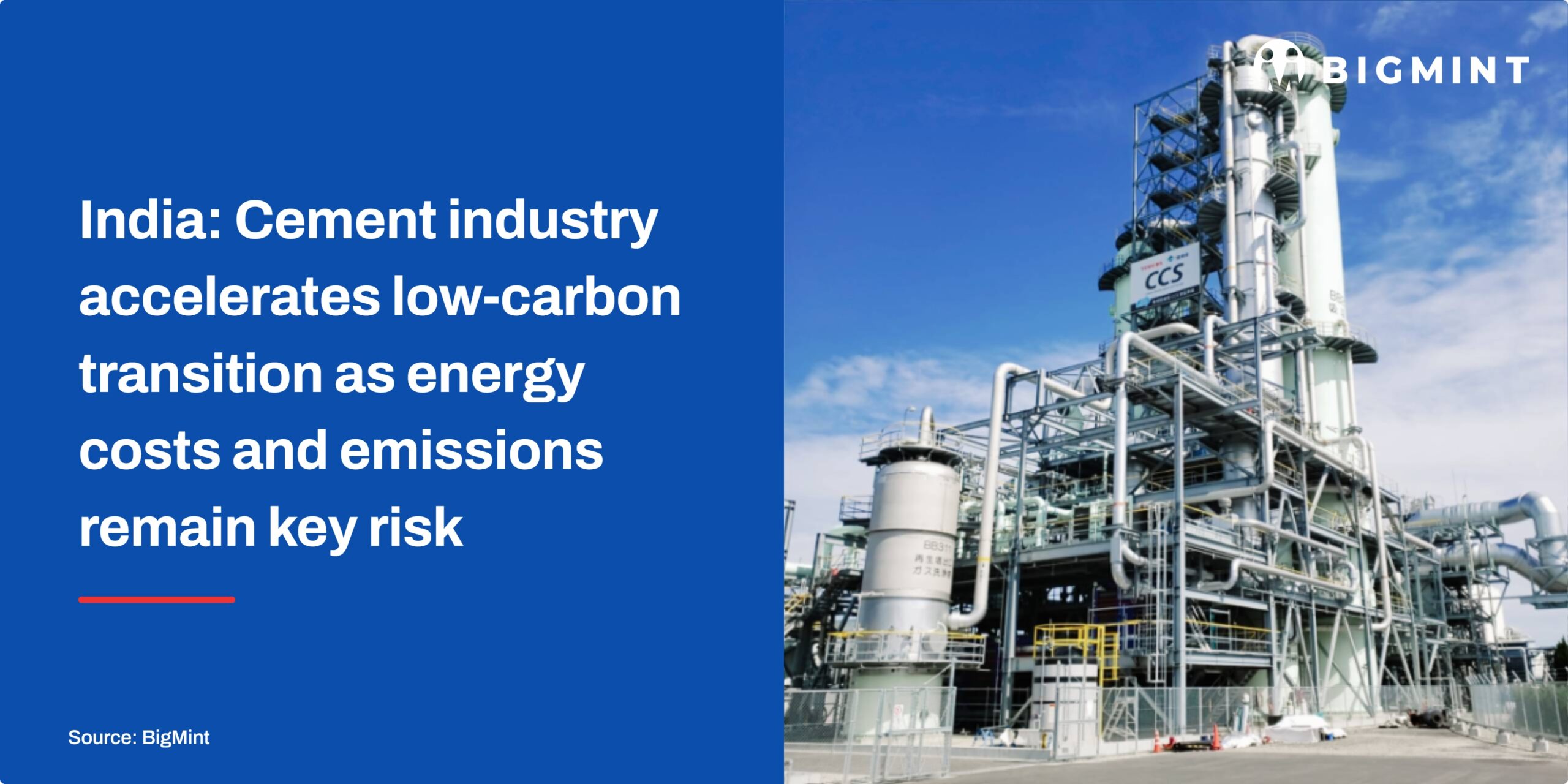
The transition is likely to increasingly influence cement fuel demand, clinker intensity, electricity sourcing and raw-material flows through 2030. The sector’s roadmap targets average emissions intensity of 560 kg CO2e/t of cementitious material by 2030 and net-zero emissions by 2070. CCUS is expected to remain important for addressing process emissions from limestone calcination that cannot be eliminated through fuel switching or renewable power.
Leave a Reply