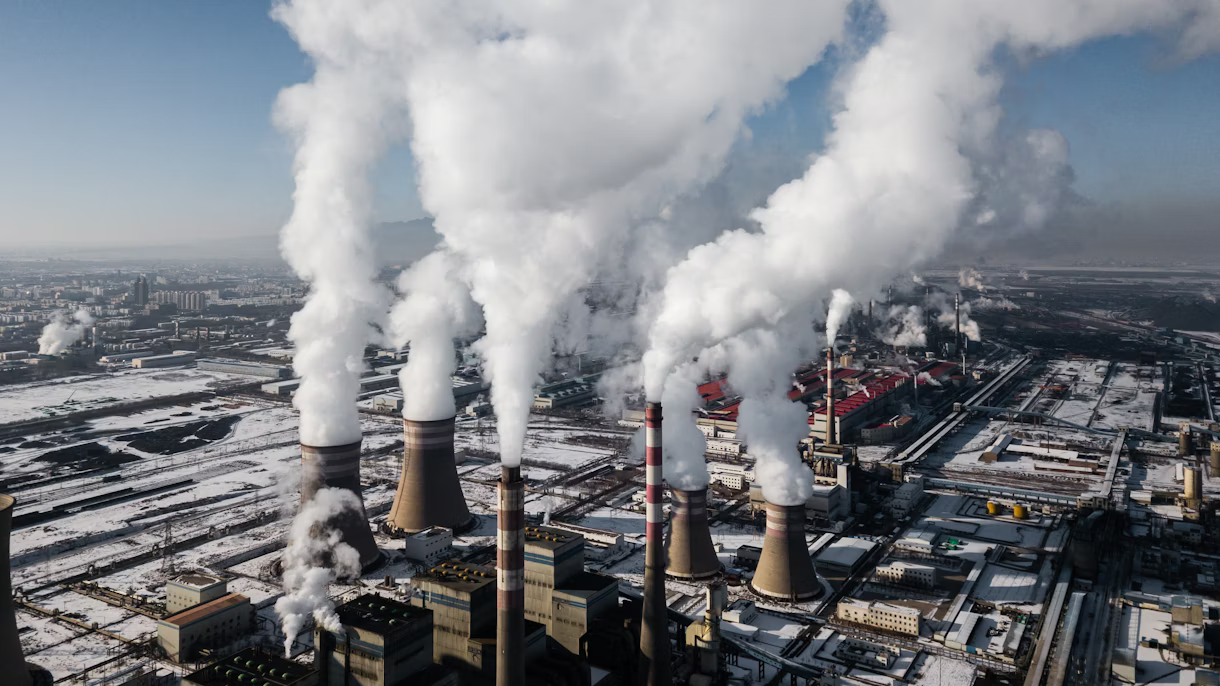
In 2023, global energy-related CO2 emissions soared to a record 37.4 billion tonnes (bnt), rising by 410 million tonnes (mnt), a 1.1% increase. These alarming figures underscore the urgent need for substantial CO2 cuts to meet climate targets and avert catastrophic global warming. Despite advancements in clean technology, including wind, solar, and electric vehicles, emissions surged due to increased fossil fuel usage driven by economic rebounds, particularly in China.
China, the largest emitter, contributed 565 mnt in CY’23. Although China leads in clean energy adoption, its reliance on fossil fuels for economic growth poses significant challenges. Drought-induced reductions in hydropower generation exacerbated emissions, highlighting vulnerabilities in renewable energy sectors.
India’s emissions surged by 190 mnt, driven by a combination of factors including weakened monsoons and robust economic growth. While per capita emissions remained below the global average, India’s energy-intensive growth trajectory warrants attention for sustainable development strategies.
Globally, coal accounted for over 65% of emissions growth, posing a significant obstacle to decarbonization efforts. Between CY’19- CY’23, total energy-related emissions increased by approximately 900 mnt, underscoring the magnitude of the challenge. Without the deployment of key clean energy technologies, emissions growth would have been three times larger.
Despite these concerning trends, there are glimmers of hope. The deployment of clean energy technologies has contributed to a structural slowdown in emissions growth. In the decade leading up to CY’23, global emissions grew at the slowest rate, indicating progress in decoupling economic growth from carbon emissions.
Notably, emissions from advanced economies fell by 4.5% in CY’23 compared to 2007 levels, reflecting sustained efforts to decarbonise economies. However, this progress must be accelerated to align with ambitious climate targets set out in international agreements like the Paris Agreement.
Addressing the root causes of emissions growth, such as fossil fuel dependency and unsustainable economic practices, requires coordinated global action. Policymakers, businesses, and individuals must prioritize investments in renewable energy, energy efficiency, and sustainable development to mitigate the impacts of climate change and secure a sustainable future for generations to come.