- Reciprocal tariffs more of a worry than Section 232
- Engineering exports in FY25 hit record $116.75 bn
India’s engineering exports, the single-largest contributor to the country’s foreign exchange earnings, are staring at a deep disruption after the United States’ sweeping tariff escalation in August. With effective duties of up to 50% now applied on most Indian-origin engineering products, exporters warn of a looming slowdown that could hit both large manufacturers and vulnerable MSMEs.
Engineering exports largest forex earner
Engineering exports are the largest foreign exchange earner for India. Out of total goods exported, more than 25% come from the engineering sector.
The US has long been India’s top destination for engineering goods. As per an EEPC presentation made by Saikat Dutta, Director – Policy, EEPC India, during a BigMint webinar on “US Tariffs: Implications for India’s Engineering Goods Exports”, in financial year 2024–25 (FY25), India shipped $19.16 billion worth of engineering products to the US — 16.4% of the country’s total $116.75 billion engineering goods exported — which grew 6.7% y-o-y. The sector accounts for a quarter of India’s total exports and serves as a critical backbone of the economy, with 35-40% of the export volume driven by MSMEs, Dutta informed.
Targets at risk?
India has been eying bold targets in engineering goods exports. In 2024-25, it was a record $116.75 billion. In 2025-26, because of the turbulent global economic scenario, the government kept a modest target of $120 bn. But we need to reach $250 billion by 2029-30. And by 2047’s Amritkal, India aims to become a $5 -trillion economy and engineering goods exports, as a 25% contributor, will have to touch $1.25 trillion.
The total bilateral India-US engineering trade amounted to $35.3 billion in FY25. India exported $19.20 billion in a single year and imported $16.1 billion, getting a trade surplus of $3.1 billion, so the balance is in India’s favour. In this context, the US market is very important.
Reciprocal tariffs a major worry
But that growth story is now under pressure. The US government’s Section 232 “national security” tariffs slapped a 50% duty on steel, aluminium and derivative products, and 25% on automobiles and auto components. Worse, On 7 August, a reciprocal tariff of 25% was announced. An additional 25% was slapped on 27 August, because of the oil imports from Russia. Post-the additional 25%, Indian exports to the US are now not very competitive.
“Section 232 is applicable to steel, aluminium, their derivatives, auto and auto components. Section 232 is applicable to other countries too and thus are not targeted per se. But reciprocal tariffs are a cause for concern,” said Dutta, explaining that India’s competitors — like Mexico, Japan, the Philippines, Taiwan, Thailand, Vietnam etc — which are ‘India-like’ on account of a similar engineering export profile, are facing a much lower tariff.
“Our share is barely 2% but we are facing a tariff of 50%,” rued Dutta.
Geopolitics intruding into trade?
The tariff escalation is not purely economic. US officials have linked the additional 25% levy to India’s continued oil imports from Russia, underscoring how geopolitics is increasingly weaponising trade flows. This linkage has unsettled exporters, who say market access is now contingent on foreign policy alignments beyond their control.
Sudden tariff shocks tied to geopolitical factors are also destabilising for Indian MSMEs that do not have the financial buffer to absorb such blows.
What next?
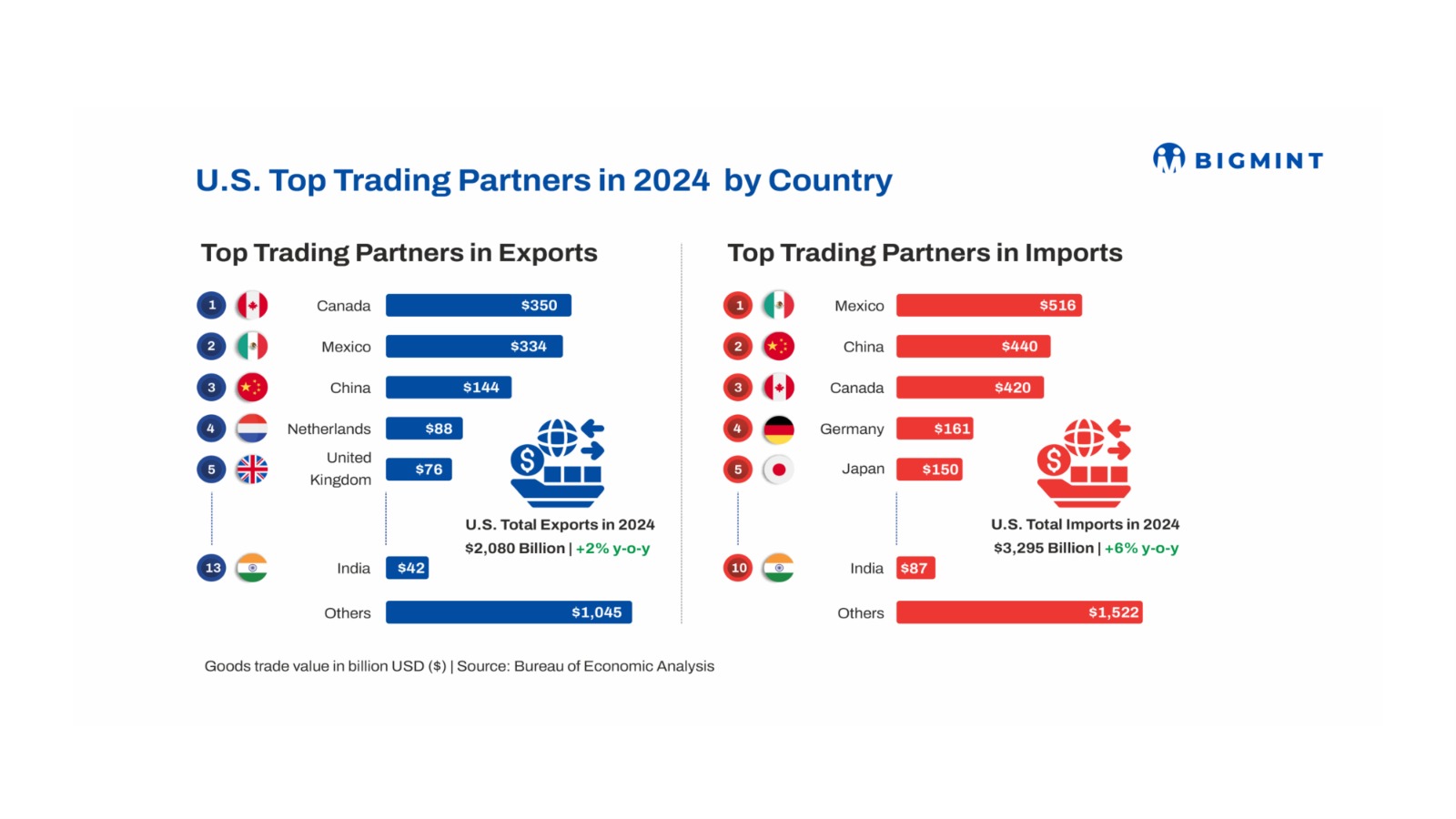
India’s penetration in its engineering trade with the US is only 1.8%. “Compared to other trade partners, India is not a huge supplier to the US. Our rank is 13th and the latest figures – over April-July 2025-26 — show iron and steel exports showing a growth of 144% but this is mainly due to front-loaded orders. In engineering exports, there is a time lag between order confirmation and execution. Current figures reflect past bookings,” said Dutta, adding, “So industry is of the view that in the coming months the impact of tariffs will be realized”.
Analysts warn that unless measures like tariff mitigation, alternative market diversification, or trade diplomacy are adopted quickly, India’s competitiveness in the US — a premium market for engineering goods — could erode.
Leave a Reply