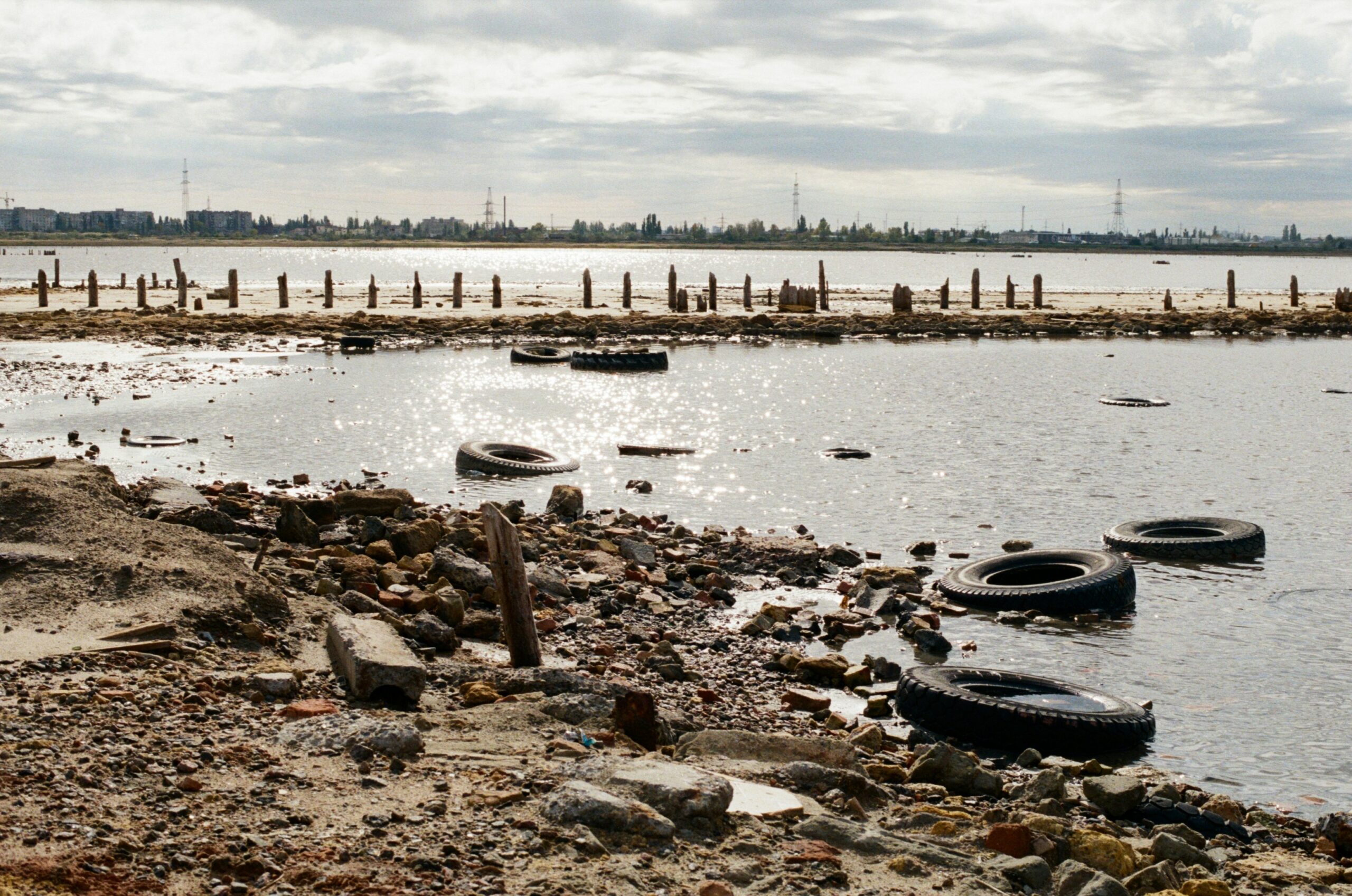
- Focus shifts from disposal-based thinking to resource recovery
- Tailings paste thickeners, dry stacking being used to limit water use
Mining waste treatment is often perceived as a question of safely storing slurry. In practice, operators know it is fundamentally about water security, risk control, land use, and long-term liability. Over the last decade, the sector has quietly moved from disposal-based thinking to resource recovery-based process design. Waste handling today increasingly determines whether a plant is economically viable.
The first major change has been the transition from conventional tailings ponds to thickened and paste tailings. Traditional tailings were pumpable slurries with low solids content that required large impoundments. Modern high-density thickeners, combined with polymer flocculants, raise solids concentration to around seventy percent. The tailings behave like paste rather than liquid. This dramatically improves water recovery and reduces seepage and pumping energy. In Indian iron ore beneficiation plants, especially in Odisha, paste thickeners are now used to maintain operations during dry seasons when freshwater intake becomes restricted. Copper mines in Chile adopted similar approaches because water scarcity directly constrained production. Alumina refineries are also increasingly moving from red mud ponds to stacked disposal for the same reasons.
The next evolution removes most remaining water. Filter presses and vacuum filters produce a damp cake that can be stacked like soil. This approach, commonly called dry stacking, converts a slurry management problem into an earthmoving problem. The elimination of large tailings dams reduces catastrophic failure risk and allows progressive land reclamation during mine life. Gold mines in Australia and Canada use this method extensively, and smaller mines in water-stressed regions of India are beginning to adopt it because regulatory approval becomes significantly easier.
Another transformation involves dissolved metal removal through biological treatment. Mining water often contains copper, zinc, nickel and similar ions. Sulfate-reducing bacteria convert dissolved sulfate into sulfide, which reacts with metal ions to form stable solid minerals. This process is now used for acid mine drainage treatment in coal regions of the United States and base metal mining areas in Europe. Pilot installations have begun in Indian mining belts as operators look for low chemical consumption alternatives to conventional precipitation systems.
In locations where continuous treatment plants are uneconomic, engineered wetlands are being used. These systems combine plants, microbial activity, and geological substrates to neutralise acidity and immobilise metals. Operating cost is extremely low, making them suitable for abandoned or legacy mines. Many closure plans in Europe and North America rely on this method, and smaller mineral leases in India increasingly incorporate wetlands into their long-term rehabilitation strategy.
Water scarcity has also pushed plants toward membrane recovery and zero liquid discharge systems. Reverse osmosis, nanofiltration, and evaporation crystallisers allow recycling of process water rather than discharge. Iron ore operations in Western Australia and copper mines in Chile depend on such systems to sustain production in desert environments. Steel plants are adopting similar treatment for coke oven and rolling mill effluents, effectively transforming themselves into water recycling facilities rather than water consumers.
In gold processing, cyanide destruction technologies have matured significantly. Oxidation using sulfur dioxide and air, peroxide treatment, and biological degradation convert cyanide into harmless compounds before discharge. This has greatly reduced the environmental risk historically associated with gold extraction.
Another emerging technique treats contaminated water underground rather than pumping it to surface. Nutrients are injected to stimulate native microbes that immobilise dissolved metals within the aquifer itself. This in situ bioremediation reduces pumping costs and prevents contamination plumes. The method is already used in uranium and base metal mining internationally.
Perhaps the most strategic development is mineral carbonation. Some tailings contain calcium and magnesium silicates that naturally react with carbon dioxide to form stable carbonate rock. Pilot programmes in nickel deposits in Canada and ultramafic formations elsewhere show that mine waste can permanently store carbon. Mining operations could, therefore, evolve from emission sources into carbon storage systems.
The operational meaning of these technologies is clear. Waste handling is no longer an end of pipe safety requirement but an integrated part of plant design. Plants now aim to recover water, stabilise solids, and reclaim land during operation rather than after closure. The benefits include reduced dam footprints, lower freshwater consumption, simplified closure obligations and improved regulatory acceptance.
The facilities that will operate smoothly in the coming decades will not merely process ore. They will function as integrated resource systems that recycle water, convert waste into stable material and in some cases capture carbon. Waste treatment has moved from compliance activity to core process engineering.
This article is published by BigMint in collaboration with author Mr. R.V. Sridhar, Senior Independent Advisor, McKinsey & Co.
Leave a Reply