- Focus shifts from raw coal output to usable, low-ash coking coal
- Higher beneficiation capacity could reduce coking coal import dependence
India’s coking coal sector holds strategic importance for achieving Atmanirbhar Bharat and Viksit Bharat, with the growth of the steel industry closely linked to the availability of quality coking coal.
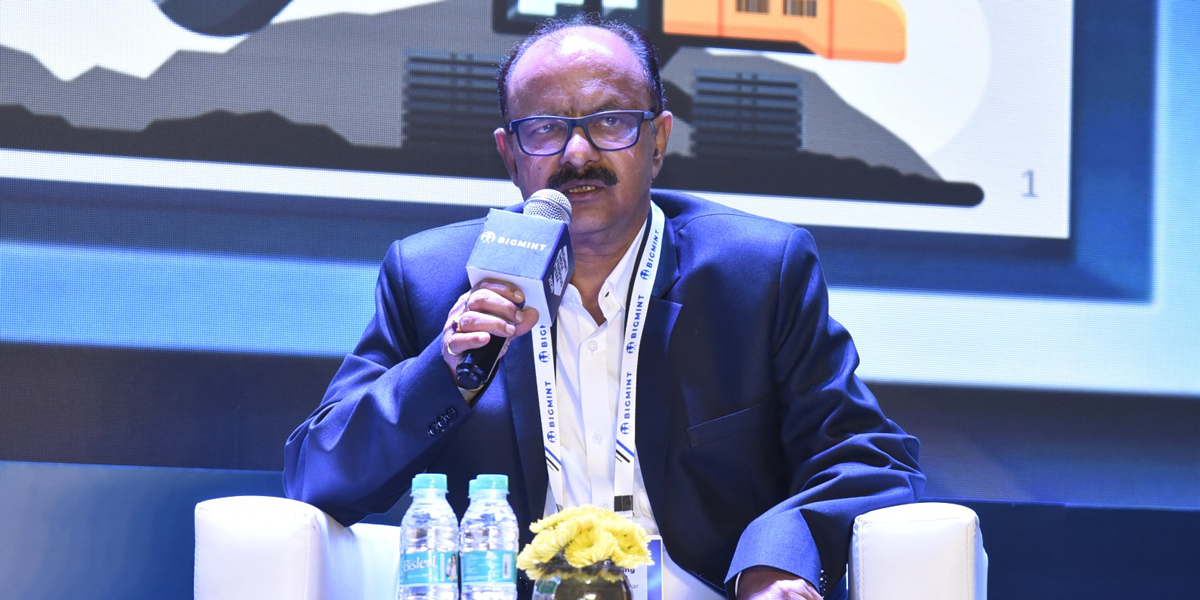
Speaking at BigMint India Ferrous Week 2026, Shri. Manoj Kumar Agarwal, CMD, Bharat Coking Coal Limited (BCCL) highlighted the need to strengthen domestic coking coal production, quality and beneficiation capacity to reduce import dependence.
India’s coking coal imports increased 13.5% y-o-y to 64.31 million tonnes (mnt) in FY’26, from 56.65 mnt in FY’25, driven by strong steel demand, higher blast-furnace utilisation and limited availability of high-quality domestic coking coal.
Mission coking coal: Policy push gains momentum
The presentation highlighted the government’s Mission Coking Coal, which targets 140 mnt of domestic raw coking coal production by FY’30. Coking coal has also been classified as a Critical and Strategic Mineral, while commercial mining reforms, transparent auctions and faster approval mechanisms are expected to support investment and production growth.
Since commercial coal mining was opened in 2020, 131 coal blocks had been auctioned by August 2025, with a combined production capacity of around 277.31 MTPA (million tonnes per annum), projected investment of INR 41,597 crore and employment potential of about 3.75 lakh.
India’s coking coal challenge: Quality over quantity
A key concern highlighted during the presentation and panel discussion was the high ash content and difficult washability of Indian coking coal, which restricts its direct use in steelmaking. Therefore, the focus is increasingly shifting from simply raising raw coal output to maximising the recovery of usable, low-ash metallurgical coal.
Washing and beneficiation can reduce ash, improve coal and coke quality, lower blast-furnace slag generation and potentially enhance furnace productivity. The presentation also stressed that washery economics should be evaluated through overall value creation from clean coal, middlings and rejects, rather than washing cost alone.
BCCL expands washery footprint
BCCL is scaling up its beneficiation infrastructure to support higher domestic availability of usable coking coal. Its washery capacity is planned to rise from 15.65 MTPA to 56.23 MTPA by FY’31, supported by new washeries, private-sector partnerships, renovation and capacity additions.
An additional 3.5 MTPA dry beneficiation plant is also under preparation. Advanced technologies, including dense media cyclones, spirals, reflux classifiers, teetered bed separators and froth flotation, are aimed at improving recovery across different coal size fractions, particularly valuable fine coal.
Public-private participation: Competition as a catalyst
The panel discussion underlined that private and public-sector participation can complement each other in meeting India’s growing coal and steel requirements. Increased competition could encourage improvements in production efficiency, quality and pricing, while technological advancement and capacity expansion could strengthen domestic coal availability.
Scientific washing and blending of domestic coal with imported HCC/semi-soft coal will remain important for achieving the quality specifications required by steelmakers.
From domestic resources to lower import dependence
The broader message from the BCCL session was that India’s coking coal challenge is increasingly about quality, recovery and economic usability rather than resource availability alone. Expanding beneficiation capacity, improving clean-coal yields, adopting advanced technologies and strengthening collaboration between coal producers and steelmakers will be critical to increasing domestic metallurgical coal availability and reducing exposure to international markets.
The strategic direction is clear: India needs to move from “more coal” to “more usable coal” to strengthen its long-term steel-sector security.
Leave a Reply