- Steel giant reports cost reduction of over $670 million in 5 years
- Company mulling technology transfer to freshly acquired US Steel
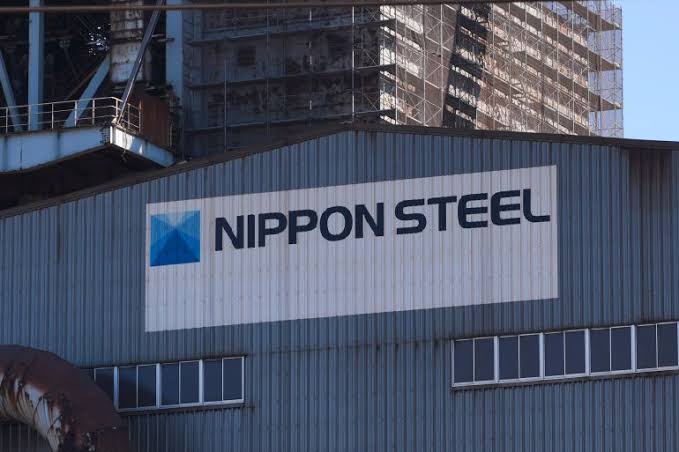
Nippon Steel’s focus on improving the operating costs of blast furnaces is bearing fruit. During the FY’20-24 period, that is five years, the steelmaker achieved a cumulative cost reduction of JPY 100 billion (over $673 million). This was contributed, in large measure, by a unique method called “low coke ratio”, which means obtaining the same amount of coke while reducing the amount of coke used as raw material and fuel.
In recent years, Nippon Steel has made the restructuring of its domestic steelmaking business a priority management issue. Reducing the operating cost of blast furnaces is a major policy pillar. The ironmaking process, which is centered on blast furnaces, accounts for more than half the total cost of steel production, and the ripple effect on profitability due to decrease in coke ratio is significant.
In FY’22-23, the company established a special programme – the “Iron Stabilization Project” – and, as a result of intensive efforts, has been able to continuously accumulate cost reductions of about JPY 20-30 billion per year over the past five years.
BF phase out cuts costs further
Nippon Steel decommissioned as many as five blast furnaces during these five years and streamlined the system, with the total number of operating BFs dropping to 10 from 15.
Low coke ratio operations, which have helped improve costs, has already been introduced in almost all blast furnaces at steel mills in Japan. The coke ratio is a common indicator for blast furnace manufacturers that indicates the amount of coke required to produce one ton of pig iron. Basically, the lower the number, the easier it is to reduce costs.
Details have not been disclosed, but it is said that Nippon Steel’s coke ratio has been reduced by 15% compared to 10 years ago when the technology began to be introduced in earnest.
In general, lowering the coke ratio can reduce costs, but it has the drawback of destabilising operations. Nippon Steel’s steel mills and the Technology Development Division collaborated to utilise mathematical models for calculating reactions in reactors and test facilities that are one-third the size of actual furnaces.
Tech transfer to US Steel
The company will also consider technology transfer as a way to improve the profitability of US Steel, which was acquired in June.
Nippon Steel has announced its intention of making large-scale capital investments in US Steel in introducing cutting-edge production technologies. In general, the introduction of technology into existing facilities is more likely to reduce costs in a short period of time than capital investment, which requires a certain amount of construction time.
US Steel has eight blast furnaces in the U.S. (two of which are idle) and three in Slovakia, Central Europe. If the technology transfer of low-coke ratio in blast furnaces is realised, it is expected to lead to an early improvement in US Steel’s competitiveness.

Leave a Reply