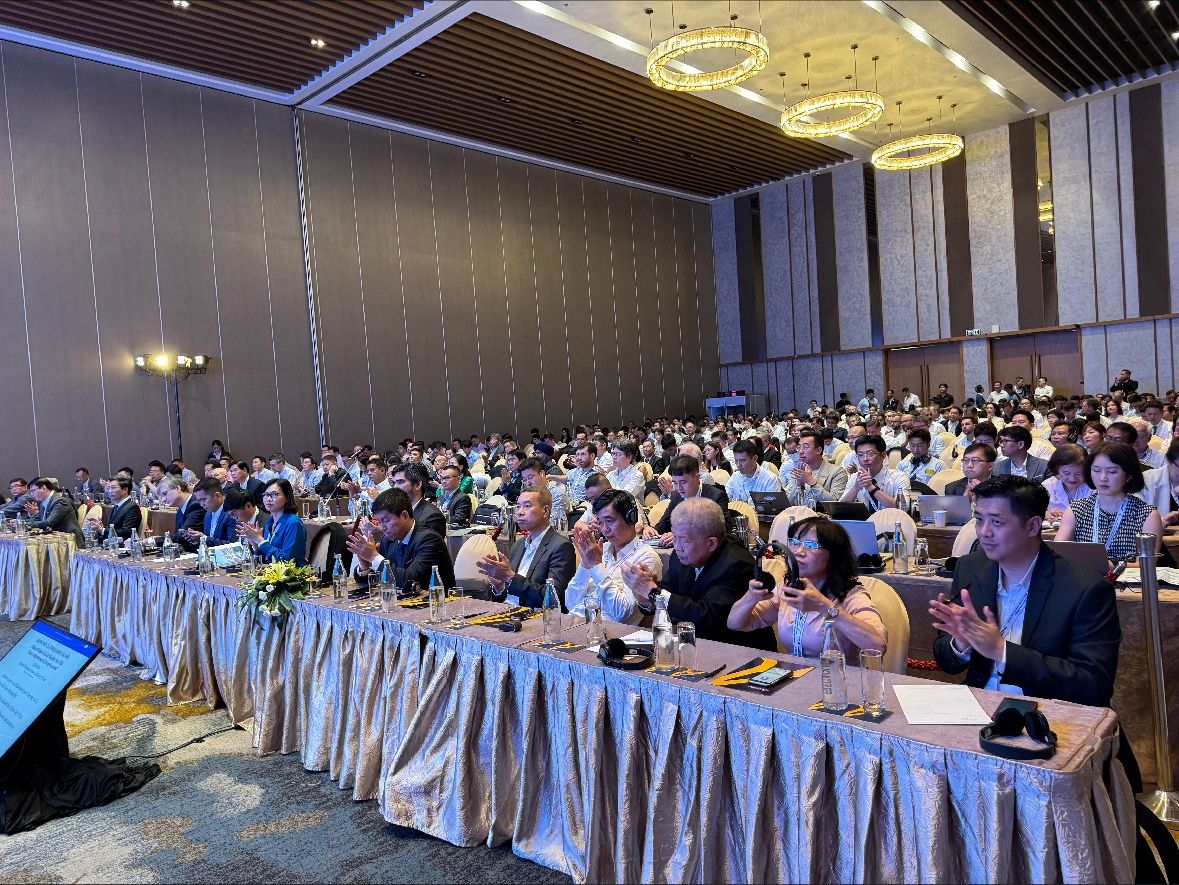
South East Asian Steel Institute (SEAISI) predicts a 3.7% y-o-y increase in apparent steel consumption for the six major ASEAN countries in 2024 compared to 2023. The consumption is expected to reach 76.5 million tonnes (mnt). This announcement was made by Yow Uy Jin, Secretary-General of SEAISI, at the annual conference held in Da Nang, Vietnam on 13 May.
Consumption by Country
Steel consumption in Southeast Asia rose in 2023, with Indonesia leading the way at 18.5 mnt, a 5.5% y-o-y increase from the prior year. Malaysia at 6.7 mnt and the Philippines at 10 mnt also saw growth, up 4.1% and 6% y-o-y respectively. Whereas, Singapore held steady at 10 mnt. Looking ahead to 2024, Vietnam is expected to be the top consumer with a projected consumption of 21.7 mnt, up by 5% y-o-y from 2023. Thailand at 16.5 mnt and Vietnam at 3 mnt are also forecasted to see consumption rise by 3.3% y-o-y.
2023 performance, challenges
Preliminary figures for 2023 showed an overall decrease of 1.9% y-o-y in apparent consumption compared to the previous year, reaching 73.5 mnt. While Indonesia and Singapore experienced significant growth, Thailand saw a slight decline, and other countries faced a drop in sales. Weak external demand, inflation, and high interest rates were identified as factors contributing to the weak overall performance.
Uncertainty for 2024 despite positive signs
Despite ongoing instability in steel raw material prices, weak currencies other than the Singapore dollar, heightened geopolitical tensions, and sluggish demand in China, consumer spending remains strong and large-scale projects are underway in most countries. Southeast Asia Iron and Steel Industry Confederation (SEAISI) expects demand to rise in 2024 due to active investment in the electronics sector. However, there is significant uncertainty about whether demand will actually increase as anticipated.
Decarbonisation, technology
The lecture also addressed the long-term challenge of decarbonisation for the growing ASEAN steel industry. Examples of potential solutions included Sweden’s H2 Green Steel and Germany’s Thyssenkrupp’s “MIDREX” process, both utilising direct reduced iron (DRI) plants at steel mills.
Note: This article has been written in accordance with an article exchange agreement between Japan Metal daily and BigMint.