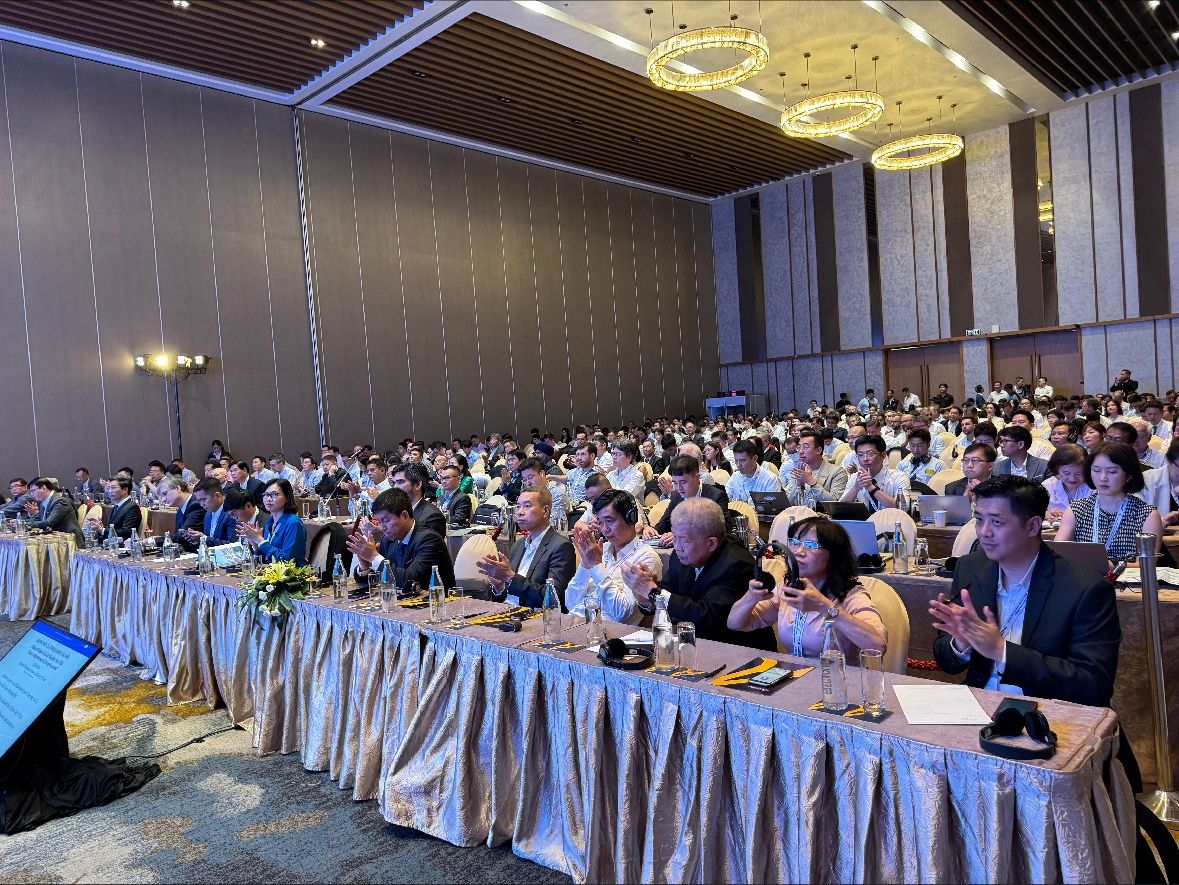
Overcapacity, somewhat balanced by rising demand, high Chinese steel exports, dominance of blast furnace steel-making and decarbonisation were some of the overriding topics and concerns discussed at the recently-concluded South East Asia Iron and Steel Institute (SEAISI) conference in Da Nang, Vietnam. This is a significant event that gathers industry leaders, experts, and stakeholders from the iron and steel sector. The 2024 conference provided valuable insights into the current and future state of the industry in Southeast Asia. Here are the eight key takeaways from this year’s event.
1. Overcapacities in Southeast Asia
One of the prominent topics discussed was the anticipated overcapacity in the Southeast Asian steel market. The region’s current production capacity stands at 75 million tonnes (mnt), but it is expected to exceed 160 mnt if all proposed projects materialize. Much of this expansion is driven by investments from Chinese companies. This potential overcapacity could lead to increased competition and pressure on prices within the region.
2. Dominance of BF-BOF processes
The basic oxygen furnace (BOF) route, integrated with the blast furnace (BF) processes are set to dominate the steel production landscape in Southeast Asia. The share of BF-BOF production methods is projected to rise from 45% in 2023 to around 55% by 2030. This shift indicates a significant investment in traditional steelmaking processes, despite global trends towards more sustainable methods.
3. Rising demand in ASEAN markets
Demand for steel in ASEAN countries stood at 71 mnt in 2023 and is expected to grow 5-6% in 2024. Vietnam and the Philippines are projected to experience particularly strong demand growth, while other ASEAN nations will see more moderate increases. This demand growth underscores the region’s ongoing economic development and infrastructure projects.
4. High Chinese steel exports
Chinese steel exports are expected to remain high due to subdued domestic demand. In 2024, exports are expected to be in the range of 85-95 mnt, which will likely exert pressure on global steel prices and margins. This situation presents a challenge for steel mills worldwide as they navigate the competitive pricing pattern that has emerged, influenced by Chinese exports.
5. Increasing ASEAN exports
Steel exports from the ASEAN region are on the rise and are expected to continue growing as new production capacities come online, especially in Vietnam. Currently, ASEAN exports approximately 20 mnt of steel, while imports stand at around 43 mnt. This increase in exports will help balance the trade dynamics within the region and globally.

6. Tight scrap supplies and green DRI trade
Scrap metal supplies are expected to remain tight as many exporting countries plan to retain scrap for domestic use. This trend is likely to boost the trade of green direct reduced iron (DRI), which is seen as a more sustainable alternative to traditional steel raw material sources. The shift towards using green DRI aligns with the broader decarbonization efforts within the industry.
7. Rising coking coal demand
The demand for coking coal in the ASEAN region is projected to double from the current 20 mnt to 40 mnt by 2030. This increase is driven by the expanding steel production capacities, particularly those using BF-BOF processes, which are heavily reliant on coking coal. This trend highlights the need for secure and sustainable sources of coking coal to support future production.
8. Decarbonization plans
Decarbonization was a key topic at the conference, with discussions focusing on short-to-medium-term strategies. These plans include improving process and energy efficiency, increasing the usage of scrap metal, utilizing higher quality raw materials, and integrating renewable energy sources. The industry’s commitment to reducing its carbon footprint is evident through these initiatives, although challenges remain in balancing sustainability with economic viability.
In conclusion, the SEAISI conference shed light on the significant developments and challenges facing the iron and steel industry in Southeast Asia. From potential overcapacity and rising demand to the importance of sustainability and technological advancements, these insights provide a roadmap for the industry’s future direction. As the region continues to evolve, these key takeaways will be crucial in guiding strategic decisions and fostering growth.