- 500,000 t polypropylene unit targets domestic demand
- Refinery expansion to reach 18 mnt capacity by FY27
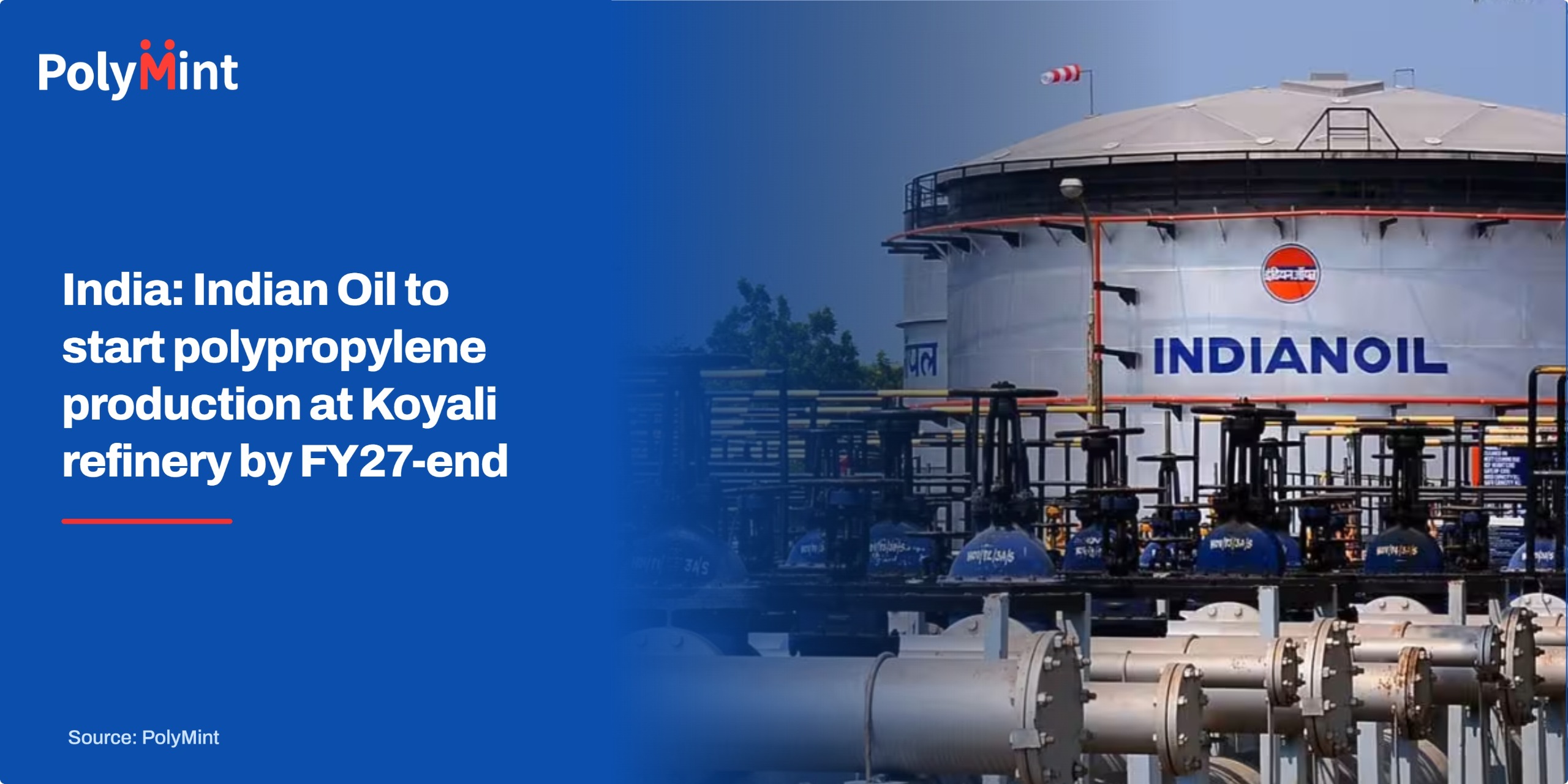
Indian Oil’s Gujarat refinery at Koyali is expected to start polypropylene production by the end of the current financial year, with the 500,000 t/year unit aimed at meeting part of India’s domestic demand and reducing reliance on imports. The project forms part of the refinery’s expansion to 18 mnt of crude processing capacity.

Source: Chemicals & Petrochemicals Manufacturers Association (CPMA), India
Refinery expansion progresses
Gujarat Refinery executive director Biplob Biswas said the refinery is currently operating at around 13.7 mnt/year, although its primary processing capacity has been expanded to 18 mnt/year. The refinery is expected to achieve the full capacity on a sustained basis by the end of FY27 as secondary processing facilities are completed.
The expansion has already seen two grassroots units commissioned this year, including a vacuum distillation unit and a lube oil base stock unit.
Propylene output to support petrochemicals
The polypropylene unit will use propylene produced through Indian Oil’s in-house INDMAX technology. The INDMAX unit has a capacity of around 2.75 mnt/year and is designed to maximise propylene yield at around 18% of feed, compared with around 6-10% from a conventional fluid catalytic cracking unit.
Around 500,000 t of material that could otherwise have been converted into fuel will instead be directed towards polypropylene production. A further 270,000 t has been allocated to lube oil base stock production.
The expansion therefore increases the refinery’s petrochemical output while retaining diesel as the largest component of its product slate.
Market implications
The polypropylene project is expected to add domestic petrochemical supply while reducing the volume of propylene-derived material that would otherwise be directed towards fuel production. The additional capacity also supports greater integration between refining and petrochemical production at the Koyali complex.
The impact on domestic polypropylene imports will depend on the plant’s commissioning schedule and subsequent operating rates.
Leave a Reply