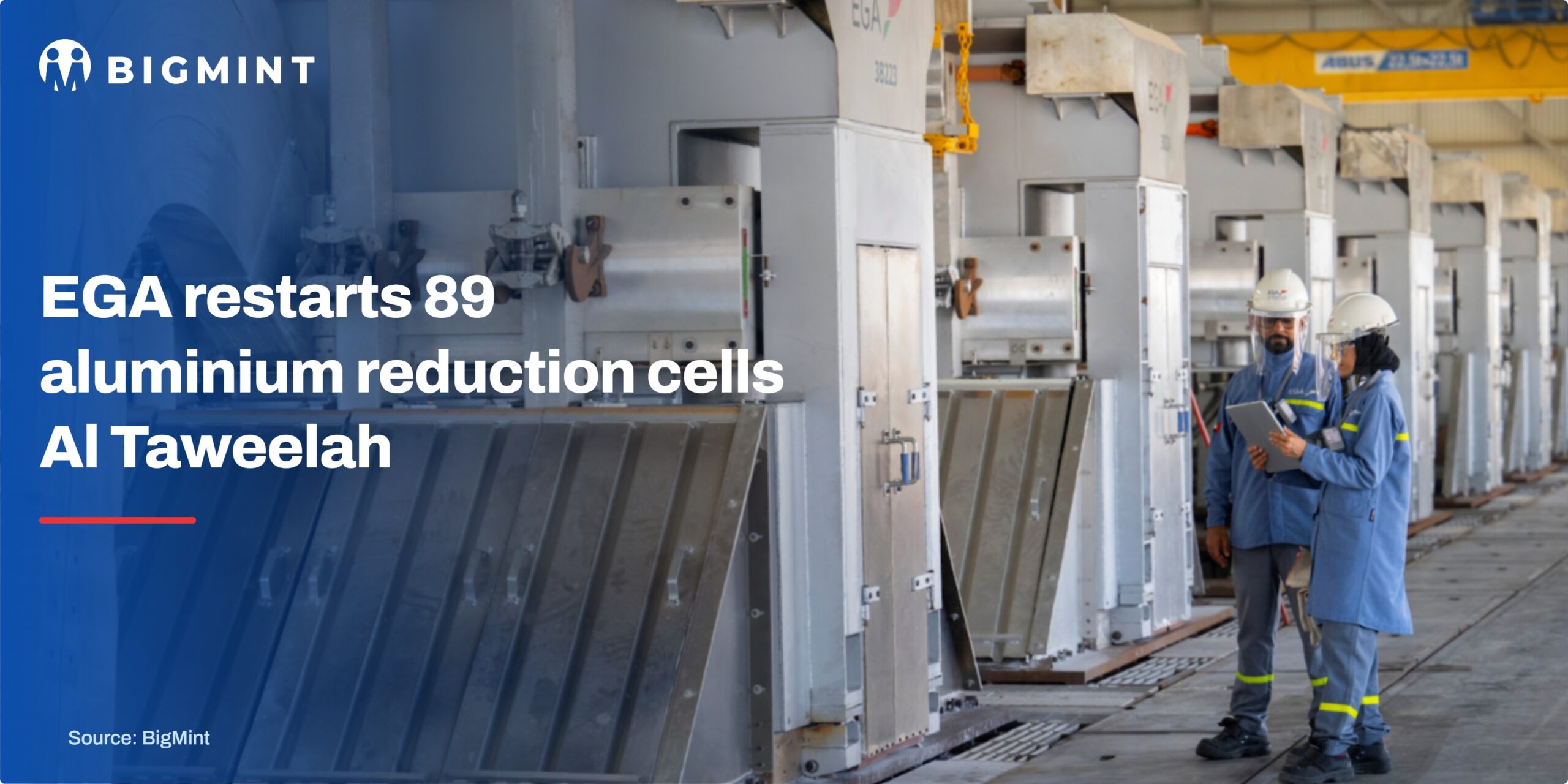
- 89 reduction cells successfully restored and restarted
- Alternative logistics gradually ease shipment disruptions
Emirates Global Aluminium (EGA) has restarted 89 reduction cells at its Al Taweelah smelter in Abu Dhabi, marking a key milestone in restoring operations following the damage caused by the 28 March Iranian attack on the Khalifa Economic Zone Abu Dhabi (KEZAD).
The company said the recovery programme is progressing ahead of schedule, although it expects hot metal production at Al Taweelah to take up to one year to return to pre-incident levels due to the complexity of restarting the smelter.
The attack had forced an emergency shutdown of the facility and injured two employees, both of whom have since been discharged from hospital and are continuing their recovery.
Restoration gathers pace
EGA has established a dedicated restoration team to safely restart the smelter. The company has already restored basic utilities across the site, while natural gas and electricity supplies are expected to increase progressively as additional production lines return to operation.
The Al Taweelah smelter comprises 1,262 reduction cells, all of which require individual restoration before full production can resume. According to the company,
- Anode removal has been completed in all 1,262 cells.
- Bath cleaning has been completed in around 90% of the cells.
- Frozen aluminium has been removed from more than 20% of the reduction cells.
- The first restored cell was successfully restarted on 26 May, with 89 cells now back in operation.
EGA said it continues to explore opportunities to accelerate the restoration timeline while maintaining operational safety.
Recycling plant and casthouse resume operations
The Al Taweelah Casthouse resumed production on 4 May, producing its first cast metal after the incident. The facility is currently remelting frozen aluminium recovered from the damaged reduction cells while also processing hot metal from the restored production lines.
Meanwhile, EGA’s aluminium recycling plant, which had entered final commissioning shortly before the March attack, resumed commissioning work in April and restarted recycled cast metal production in early May.
The company expects the recycling facility to reach full production within six months, subject to the availability of aluminium scrap.
Alumina refinery recovery
At the Al Taweelah alumina refinery, first alumina production is expected to commence during the third quarter of 2026. EGA said the refinery could ramp up production quickly once bauxite supply chains are fully optimised.
The company noted that the restoration of primary aluminium production at the smelter is not dependent on the refinery returning to full output.
Jebel Ali supports production continuity
While Al Taweelah continues its phased recovery, EGA’s Jebel Ali smelter has remained fully operational, allowing the company to continue serving customers despite disruptions at its flagship facility.
According to EGA, average daily inbound deliveries of key raw materials currently exceed the combined requirements of Jebel Ali’s production and Al Taweelah’s restoration programme. Raw material inventories within the UAE have also continued to increase.
Logistics gradually improve
The March attack disrupted outbound logistics through the Strait of Hormuz, temporarily halting new shipments and leading to a build-up of finished aluminium inventories within the UAE.
To mitigate the disruption, EGA established alternative export routes through ports outside the Strait of Hormuz. The company said it is currently selling more aluminium than it is producing at Jebel Ali, allowing inventory levels to gradually decline.
However, EGA noted that a complete return to pre-crisis shipping levels will depend on the full reopening and normalisation of traffic through the Strait of Hormuz.
The phased restart at Al Taweelah represents an important step in restoring one of the world’s largest aluminium production complexes and is expected to gradually strengthen aluminium supply from the Middle East over the coming months, although full production recovery is likely to extend into 2027.
Leave a Reply