- Focus on new markets, rice varieties and climate resilience
- Africa, Latin America and Asia identified as priority markets
Thailand’s Ministry of Commerce is intensifying efforts to support rice exports, with a target of shipping 7 million tonnes (mnt) in 2026. The move comes as the government seeks to strengthen demand for Thai rice in international markets while supporting domestic rice prices and farmer incomes. According to Deputy Prime Minister and Commerce Minister Suphajee Suthumpun, the ministry recently held discussions with the Thai Rice Exporters Association to assess current market conditions, review export performance, and identify opportunities to enhance Thailand’s position in global rice trade.
Focus on key growth markets
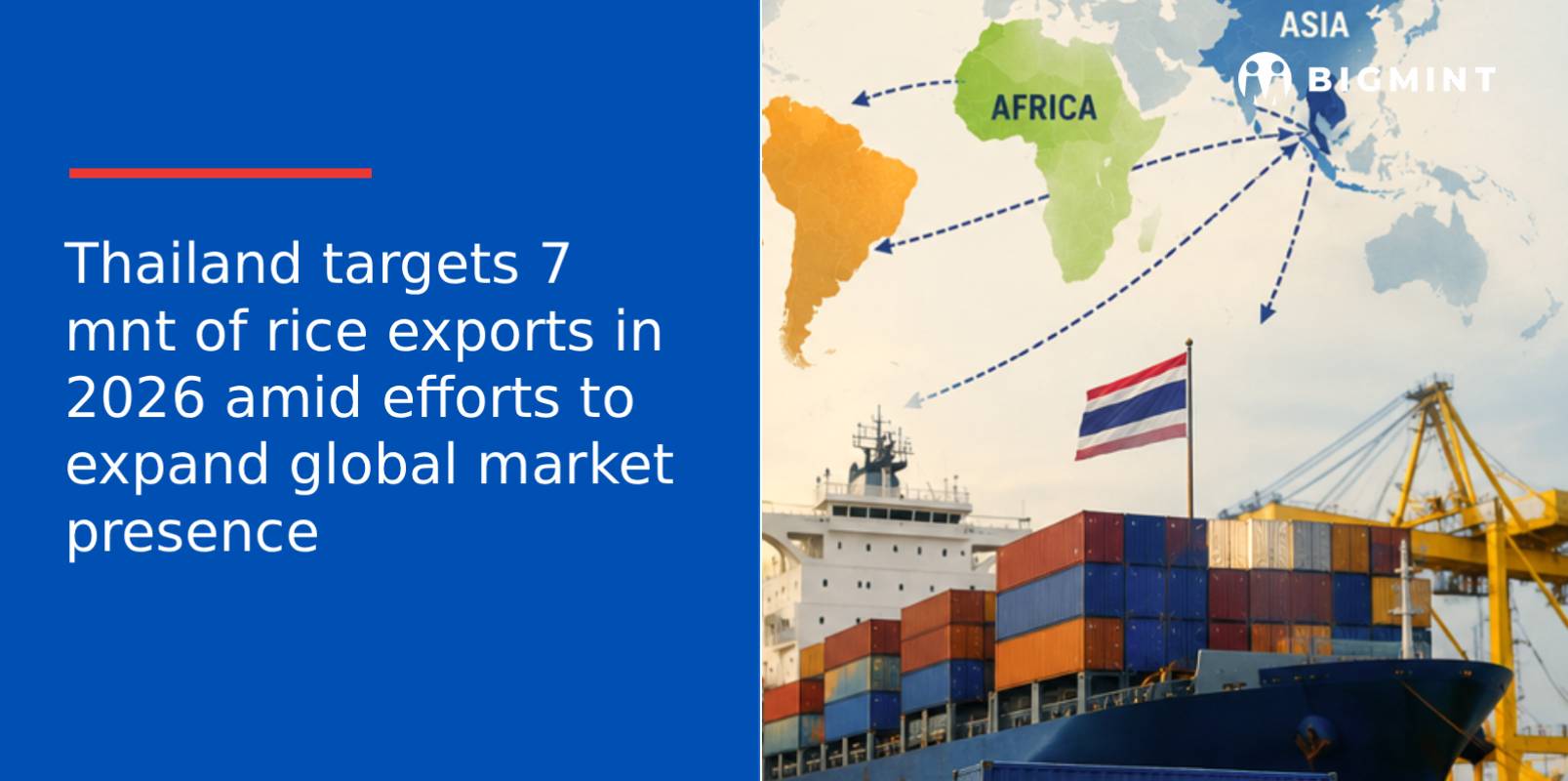
The ministry has identified Africa, Latin America, and Asia as priority regions for export expansion. Commercial attachés stationed in overseas markets have been instructed to work closely with importers and trade partners to promote Thai rice and secure additional business opportunities. The government views exports as a crucial mechanism for absorbing domestic rice supplies and maintaining stable returns for farmers. Strengthening export demand remains particularly important as global competition among major rice exporters continues to intensify.
Government and exporters to work together
Thai authorities have indicated that collaboration with the private sector will play a central role in achieving the export target. The Ministry of Commerce plans to work closely with rice exporters to identify emerging demand trends and expand Thailand’s presence in both traditional and new markets. The initiative reflects Thailand’s strategy of maintaining its position among the world’s leading rice exporters amid changing trade dynamics and evolving consumer preferences.
Long-term competitiveness remains priority
Beyond immediate export promotion, the government has also directed relevant agencies to focus on strengthening the long-term competitiveness of the rice sector. Key priorities include developing rice varieties that align with changing global consumer demand, expanding market diversification, and improving resilience against climate-related risks. Authorities have highlighted the potential impact of El Niño-related weather conditions on future rice production and emphasized the need for proactive planning to safeguard output and export availability.
Support measures for farmers
The ministry also plans to coordinate with other government agencies to enhance support measures for rice farmers and strengthen production security. Efforts are expected to focus on improving productivity, supporting market access, and ensuring the sector remains competitive in the face of global market challenges.
Outlook
Thailand’s target of exporting 7 mnt of rice in 2026 underscores the country’s continued emphasis on export-led growth in the rice sector. With government agencies and exporters working together to expand market access across Africa, Latin America, and Asia, Thailand aims to strengthen its global rice trade presence while supporting farmer incomes and long-term sector competitiveness.
Leave a Reply