- Asian slabs and semi-finished climb to around $500/t
- Brazilian slab prices surge on European demand
Japan Metal Daily: In Asia, prices of semi-finished steel and slabs have climbed to around $500/t, marking a two-year high. Supply has tightened following the halt in Iranian slab exports since the onset of the US-Israel-Iran conflict in February. At the same time, rising prices of downstream products such as hot-rolled coils (HRCs) and heavy plates both are slab-based products, have further supported the uptrend, with slabs for plate production now trading in the mid-$500/t range.
Notably, slab prices tend to move in line with raw material costs, particularly iron ore and coking coal. Until the second half of last year, although finished steel prices remained subdued, elevated input costs kept slab prices relatively stable in the mid-$400/t range.
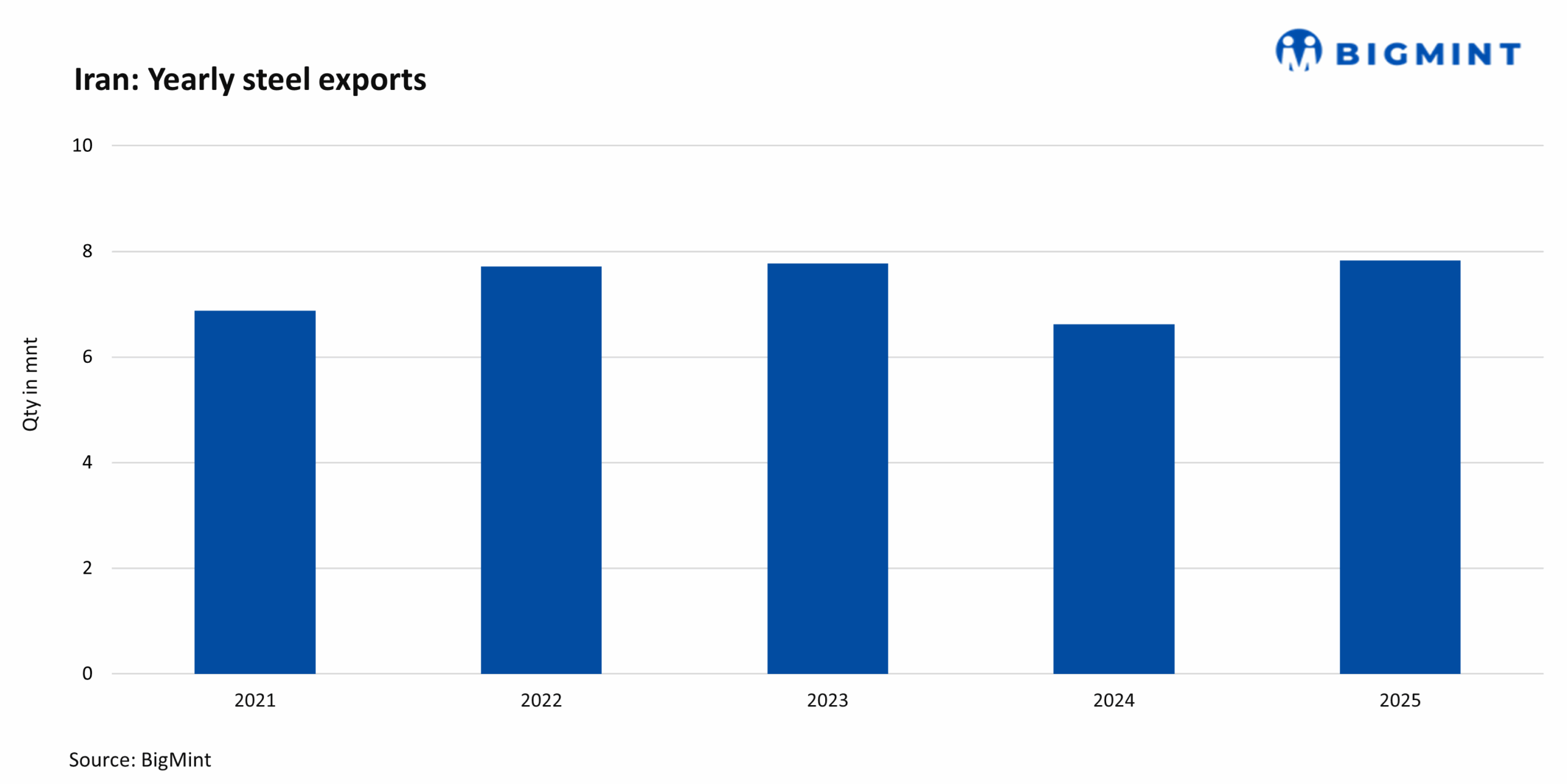
Iran exports around 6-7 million tonnes (mnt) of semi-finished steel annually, with billets accounting for the majority, while slab exports are estimated at below 2 mnt. Although these volumes were previously shipped in large quantities to Southeast Asian markets, the situation has weakened since last year following US and Israel strikes on Iran, leading to a downward trend in exports.
Amid the current situation, slab exports from Iran have come to a complete halt, while major producers such as Mobarakeh Steel and Khuzestan Steel have reportedly seen sharp declines in output following attacks on their facilities. However, even as Iranian supply has tightened, Chinese exports have picked up after slab prices crossed the $500/t mark. With competitively priced Chinese material emerging as an alternative, there are indications that the recent upward momentum in the Asian slab market could begin to ease.
Outside Asia, Brazilian slab prices for Europe have surged to around $600/t. A drop in steel imports has lifted European HRC prices to about EUR 715/t ($836/t), in turn raising the prices European mills are willing to pay for slabs. At the same time, Brazilian suppliers are largely avoiding the US market due to the additional 50% tariff, leading to tighter slab availability in the United States.
Note: This article has been written in accordance with a content exchange agreement between Japan Metal Daily and BigMint.
Leave a Reply