- Previous trials in BF have confirmed nearly 45% CO2 reduction
- Hydrogen injection into Kimitsu blast furnace slated for FY’26
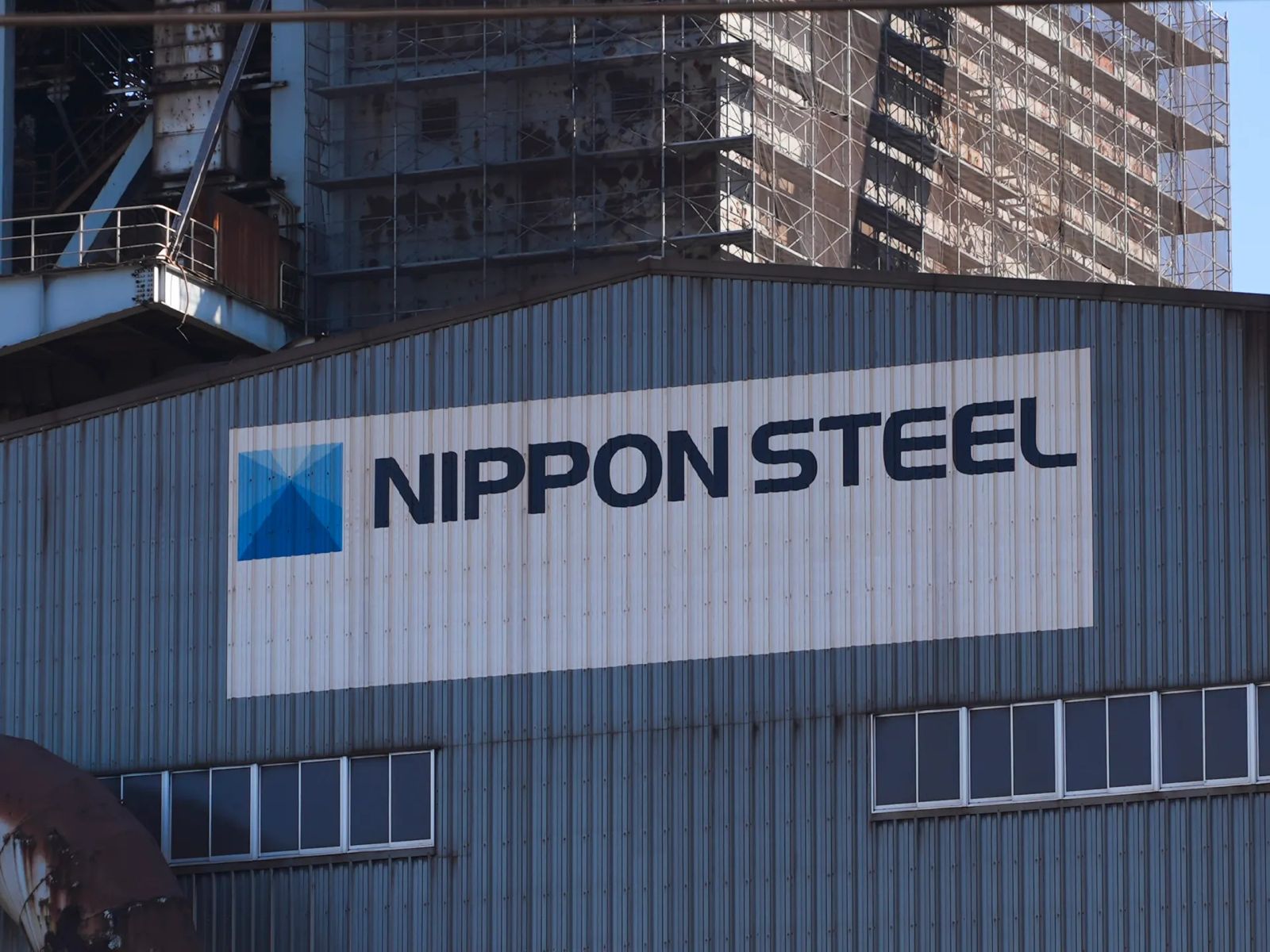
Japan Metals Daily: Nippon Steel’s efforts to achieve 50-year carbon neutrality (virtually zero greenhouse gas emissions) have been making progress this year. In the development of decarbonisation technology, a full-scale demonstration plant for the practical application of hydrogen reduction steelmaking will start operation this month.
It was confirmed that hydrogen reduction steelmaking using existing blast furnaces can reduce carbon dioxide (CO2) by more than 44%. On the other hand, in the introduction of a large electric furnace scheduled to start operation in FY’29, infrastructure development work before starting construction is steadily progressing at the Kyushu Steel Works and Hachiman District (Kitakyushu City).
Although there are challenges such as market formation for GX steel to achieve the 50-year target, the company is poised to further strengthen its efforts for research and development and implementation of decarbonisation technologies.
Demonstration plant
The development of decarbonisation technologies in the steelmaking process is currently being carried out in parallel with multiple processes using the government’s GI (Green Innovation) fund. One of the pillars, hydrogen reduction steelmaking technology, started operation this month with a test shaft furnace (production capacity, 1 ton per hour) built at the Hasaki R&D Centre (Kamisu City, Ibaraki Prefecture).
The height of the reactor is 60 metres, which is about one-half of the actual equipment. It has already started producing reduced iron (DRI). In order to establish a technology for actual production around 40 years, Nippon plans to evaluate the optimal conditions for production.
In terms of hydrogen reduction technology that utilises existing blast furnaces, a 44.5% CO2 reduction effect was confirmed in a test blast furnace installed in the Kimitsu area of the East Japan Steel Works (Kimitsu City, Chiba Prefecture). It is higher than the 43% until last year, and it seems that it is one step closer to the target of a 50% reduction. In the Kimitsu area, Nippon will try out hydrogen injection at an existing blast furnace (2 blast furnaces) in FY’26.
Upcoming EAF
The large electric furnace in the Yawata area (annual production capacity of 2 million tonnes) is scheduled to be put into operation in the second half of FY’29. For operation, large-scale construction will be required to recreate about 50% of the area. As a preliminary work, the foundation development work for the new electric furnace area is currently underway. As soon as this is over, it is expected that full-scale construction will begin.
In the 30-year target (30% reduction compared to FY’13), which is a milestone towards achieving carbon neutrality, the reduction effect of introducing a large electric furnace will be powerful. However, there are still issues such as securing a stable supply of high-grade steel scrap necessary for high-grade steel production and forming a market for GX steel to be manufactured. Nippon Steel plans to promote not only the implementation of innovative technologies but also soft strategies for market formation.
This article is being published in accordance with an article sharing agreement between Japan Metals Daily and BigMint
Leave a Reply