- Tender signals a shift in Islamabad–Dhaka trade dynamics
- Bangladesh scales up import activity to cool domestic prices
Pakistan has opened a tender to procure 100,000 tonnes of long-grain white rice (IRRI-6) for export to Bangladesh, marking a rare trade move that reflects improving ties between the two countries after years of political strain. The Trading Corporation of Pakistan (TCP) released the tender on November 20, calling for offers by 11:30 a.m. on November 28.
According to media reports, the TCP will accept separate sealed bids from companies, partnerships and sole proprietors for a minimum cargo lot of 25,000 tonnes and up to 100,000 tonnes, with a ±5% margin. The cargo is to be shipped in break bulk from Karachi ports, with delivery readiness within 45 days of contract award. Price offers must remain valid for 21 working days after submission. The rice must be of Pakistan origin from the latest crop year and meet commercial quality thresholds.
Bangladesh ramps up imports as domestic prices rise
Bangladesh issued another import tender on Monday, extending a run of state-to-state and commercial purchases to stabilise retail prices. Market participants view Pakistan’s tender as an effort to position its rice in Bangladesh’s import pipeline, amid expectations that some recent Bangladeshi purchases may be serviced with Indian-origin rice depending on price competitiveness and shipment availability.
Pakistan and Bangladesh resumed direct government-to-government rice trade earlier this year, when Bangladesh imported 50,000 tonnes through an initial arrangement in February. During the 9th Joint Economic Commission meeting last month, Pakistan also proposed that Dhaka use Karachi Port Trust as a regional trade gateway for access to China and Central Asian markets.
Export pressures weigh on Pakistan rice sector
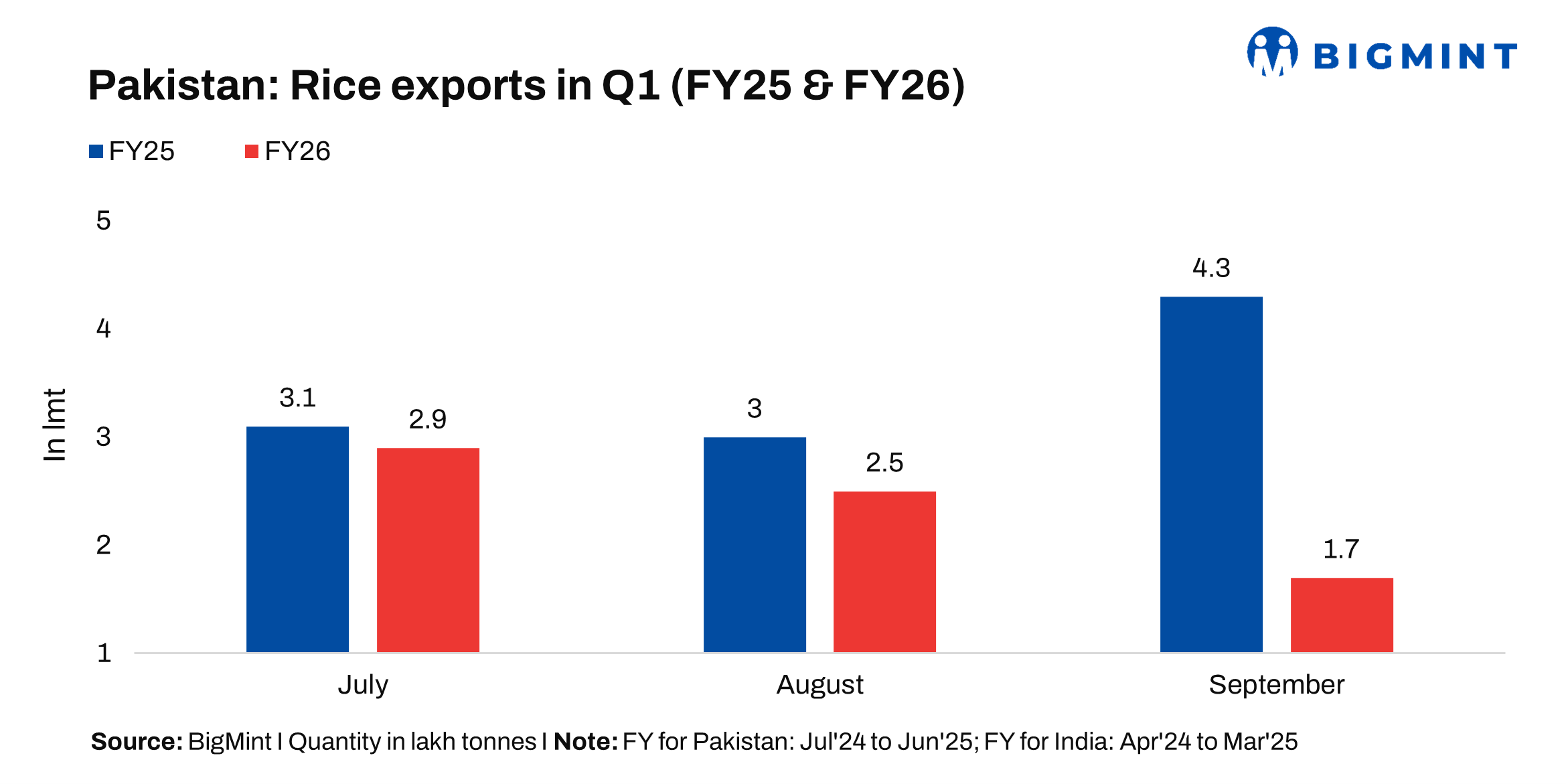
Pakistan’s rice exports fell about 32% in the first quarter of FY26 compared to the previous year. The decline comes as exporters face pressure from price fluctuations and a resurgence of Indian rice in global markets, raising concerns about Pakistan’s ability to maintain its market share in key regions. The downward trend underscores the evolving dynamics of South Asia’s rice trade, with Pakistan navigating a complex landscape of domestic and international factors, including policy headwinds such as regulatory hurdles, market regulations and other government policies.
The TCP tender represents more than a sales transaction — it will determine whether Pakistan can consolidate market share in South Asia while navigating export volatility and price competition. With Bangladesh aggressively sourcing rice to cool inflation and Pakistan looking to revive export momentum, the November 28 bidding outcome will indicate how regional trade patterns evolve in the coming months.
Leave a Reply