*NHAI to overhaul ‘one-time source approval’ system
*Secondary steel sector left out of ‘list of preferred vendors’
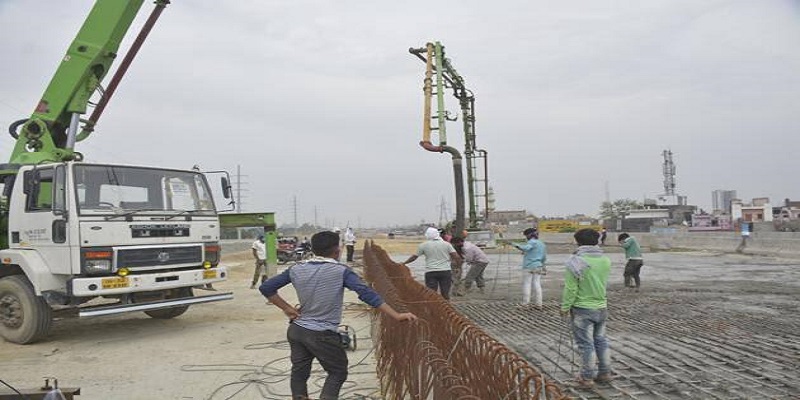
The National Highways Authority of India (NHAI) under the Ministry of Road Transport & Highways (MoRTH) has issued a policy circular outlining a revised Standard Operating Procedure (SOP) for quality control checks on factory-manufactured materials, especially steel and cement, used in government projects.
Takeaways from NHAI circular
This circular replaces the previous ‘one-time source approval’ system with a multi-level check and control mechanism which includes:
a) a list of preferred vendors for reinforcement steel, cement, and emulsion
b) a standard checklist for factory inspection
c) a data lake module for updating details of factory-manufactured materials
The circular also moots the establishment of Independent Regional Quality Offices (RQOs) to oversee quality control matters in their respective regions, with their roles spanning from conducting quality inspections for each project and finalising laboratories at the regional level for third-party testing to collecting random samples of factory-manufactured materials for testing. Click here for details (link)
The ‘list of preferred vendors contains only the primary steel producers of the country – SAIL, JSW, JSP, Tata Steel, etc.
The restrictions set for other steel producers are:
a) requirement of an integrated plant
b) ladle refining furnace (LRF) for secondary steel producers
Quality concerns
The NHAI had issued showcause notices to many as 11 steel companies for their failure to comply with specified quality standards for reinforcement steel bars used in construction of highways across the country, as BigMint reported in June last year.
Predominantly induction furnace-based steel manufacturers in different parts of the country were served the showcause notices for non-compliance after third-party laboratories accredited by the National Accreditation Board for Testing and Calibration Laboratories (NABL) found that the rebar or TMT samples collected from different NHAI project sites failed to conform to quality specifications related to chemical composition specified in IS:1786.
Notably, the chemical composition of rebar, particularly its phosphorous and sulphur content, determine the mechanical parameters such as tensile strength, ductility and elongation which are critical for infrastructure applications such as highways, bridges, flyovers, etc.
Market impact
A source from a major steel mill in Odisha informed BigMint: “Integrated LRF and the primary mills will be preferred by the NHAI and focus will be more on quality checks.”
NHAI may not procure from the IF mills for some time since quality is the topmost priority, sources said.
Importantly, “Supplies from the primary will be diverted to NHAI projects, which will keep primary prices strong. On the other hand, IF rebar supplies will be diverted to domestic market and will be under pressure. The price parity between primary and secondary rebar will increase,” informed a market participant.
As per BigMint estimates, the secondary steel producers constitute around 30% of reinforcement steel supplied to NHAI, with the rest being accounted for by the primary producers. NHAI’s typical annual consumption is around 15-18 million tonnes (mnt).
Leave a Reply